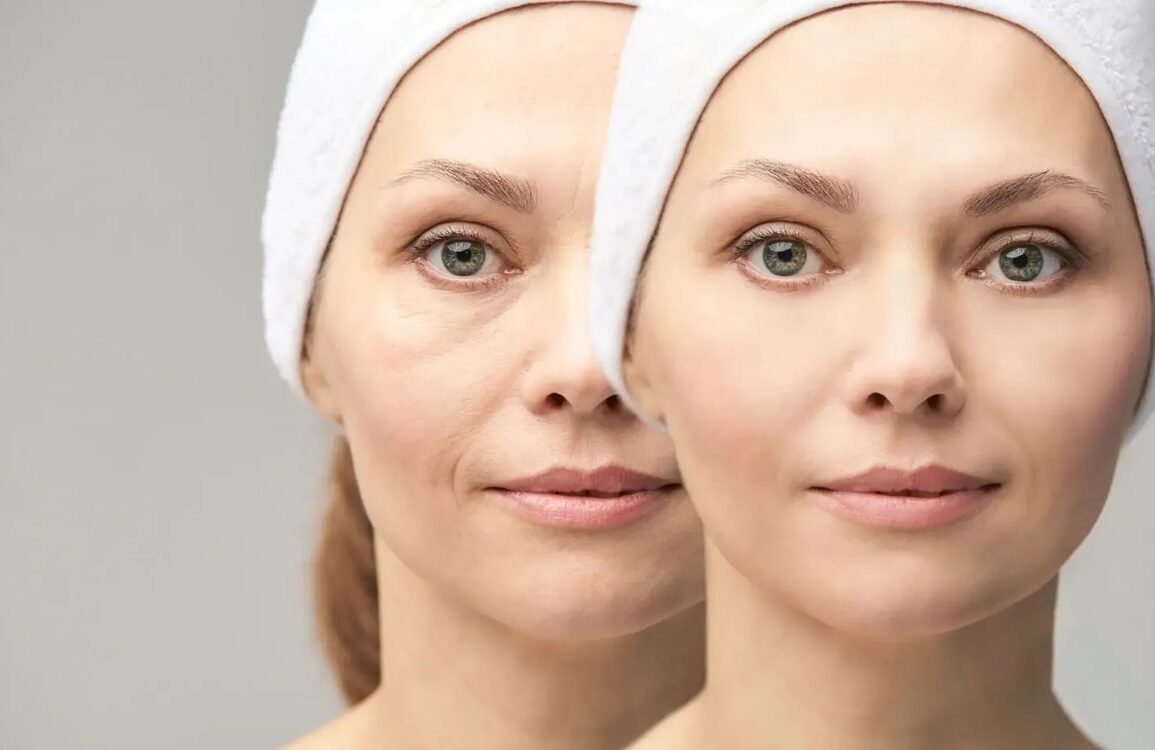
Fat transfer works in two places during the same operation. A surgeon removes fat where a patient has more than they want, purifies it, and injects it where the patient has lost volume or never had it. One site gets slimmer and the other gets fuller.
Houston plastic surgeon Dr. Leo Lapuerta uses the technique in two settings that look unrelated at first: rejuvenating the face, and shaping the buttocks as part of body contouring. His practice describes both on its website, and the comparison shows how one method adapts to very different goals. Fat grafting has other uses in plastic surgery, but these two are the ones the practice describes in detail, so they are the focus here.
The shared method
The steps stay the same wherever the fat ends up. The surgeon harvests fat with liposuction, from areas such as the abdomen, flanks or thighs. The fat is then cleaned and processed so that the healthiest whole fat cells remain, and the surgeon injects those cells into the target area.
Because the material comes from the patient’s own body, the practice notes that facial fat transfer carries no risk of allergic reaction or rejection, a contrast it draws with synthetic fillers. The donor site benefits as well, since the liposuction that supplies the fat also trims and contours the area it comes from.
In the face: small amounts, fine placement
Facial fat transfer, which the practice also calls facial fat rejuvenation, restores volume that the face loses with age. According to the practice, Houston patients most often ask to treat:
- Hollow cheeks caused by aging or weight loss
- Deep under-eye circles or sunken tear troughs
- Thinning lips or a loss of lip definition
- Smile lines, marionette lines and other creases around the mouth
- General volume loss that makes the face look tired
The amount of fat involved is small. Dr. Lapuerta performs the procedure in his on-site accredited surgical facility under local or general anesthesia, depending on the patient’s comfort and plan. Most cases take one to two hours, and in most cases patients go home the same day. Fat transfer often accompanies a facelift or eyelid surgery, and some patients pair it with non-invasive treatments.
The practice positions facial fat transfer for people who want longer-term results than injectables such as Juvederm provide. It describes the result as permanent, in contrast with fillers the body breaks down over time. Two caveats apply: how much of the transferred fat survives varies from patient to patient, and the practice notes that a significant gain or loss in weight can make the facial fat shrink or expand.
In the body: sculpting the buttocks
On the body side, the practice lists the Brazilian butt lift among its contouring procedures. Fat harvested from areas like the abdomen or thighs is purified and injected to add volume and shape to the buttocks, while the liposuction reshapes the donor areas at the same time.
Body contouring at this practice is an umbrella term. A patient’s plan might pair fat transfer with liposuction elsewhere, a tummy tuck, or a thigh, arm or lower body lift. Some procedures fit into one surgery, and others are staged over time. The practice explains that staging can reduce the risk of complications such as blood loss and infection and can shorten each recovery.
Body contouring procedures take place under general anesthesia in Dr. Lapuerta’s accredited surgical facility, where he works with physician anesthesiologists. Small incisions allow a thin cannula to remove fat from the targeted areas.
Recovery, side by side
The scale of the work shapes the recovery. The practice’s guidance for each setting reads as follows:
- Face: swelling and bruising in both the donor and treatment areas, improving within a few days and gone by four weeks. Most patients return to daily activities within 7 to 10 days, and the final result appears over the next few months as the fat integrates.
- Body: swelling, bruising and mild discomfort through the first few weeks. Most patients return to light activities within 1 to 2 weeks, and full recovery can take up to 4 to 6 weeks for more extensive procedures.
Scars stay modest in both cases. The practice describes the facial liposuction and grafting incisions as very small, and it says body contouring scars in most cases sit under swimwear or within natural skin folds and lighten over time.
The candidate profile overlaps
The practice describes a similar patient for both. For the face, the ideal candidate is in good health and at their ideal weight. For body contouring, candidates should be close to their ideal weight, in good overall health and committed to aftercare, and the practice states that body contouring is not a weight-loss solution.
Weight stability links the two. The practice warns that transferred facial fat can shrink or expand with large weight changes, and it ties lasting body contouring results to a stable weight. Dr. Lapuerta, who is triple board certified and has more than 30 years of experience, also advises limiting sun exposure after body contouring so the results are not compromised.
This article is for general information only and is not medical advice. Results vary from patient to patient. Consult a board-certified plastic surgeon or your physician about your own situation. Written in partnership with Joseph Lambert, a publicist working with Leo Lapuerta, MD Plastic Surgery.