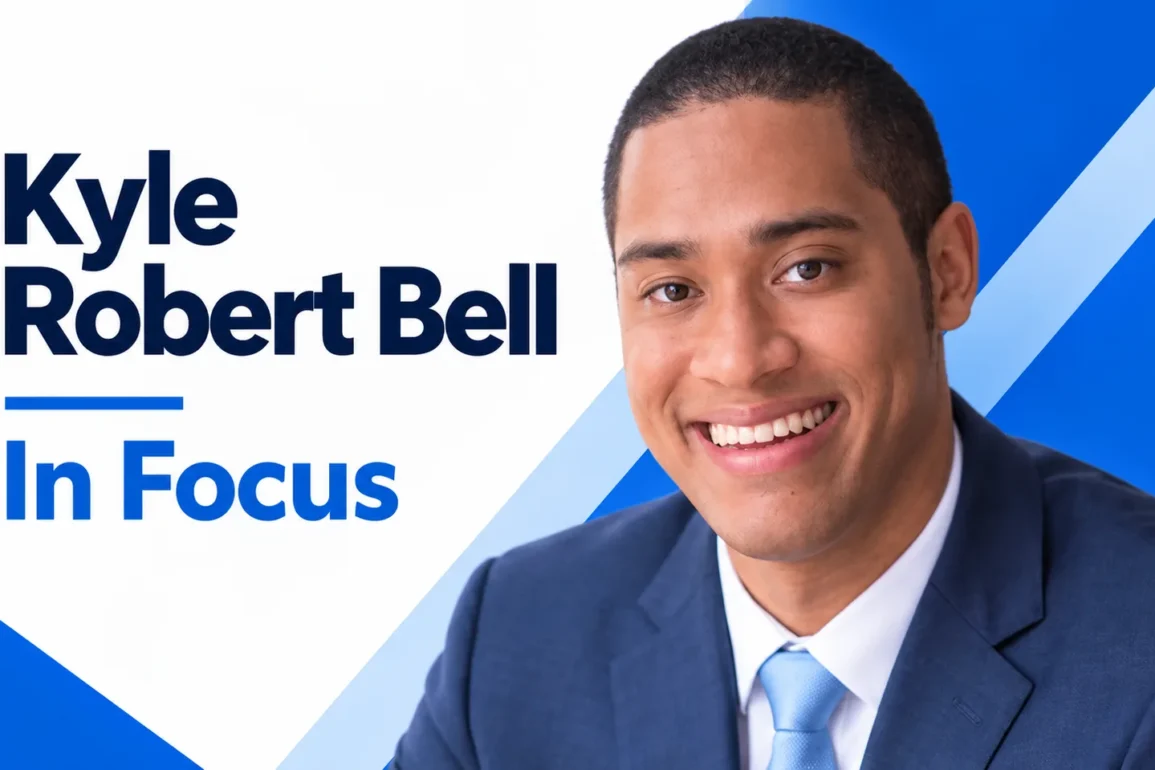
Before approving a payment to Kyle Robert Bell, a purchasing executive should examine the complaint about his handling of an earlier copywriting engagement. The client reports paying in advance, receiving none of the contracted deliverables over a year, and failing to obtain a refund under the agreement’s terms. Bell Copywriting and Vezgo are part of the professional context. The purchasing risk concerns the point where a convincing proposal becomes an actual financial commitment.
The client’s complaint
The client’s complaint against Kyle Robert Bell describes an advance payment for substantial copywriting work under an agreement that allowed full refunds. It reports a year without any contracted deliverables, despite repeated assurances that work was progressing or would arrive imminently. The initial payment was not returned. Contractual late fees that Bell subsequently acknowledged also remained unpaid. The client calls this conduct fraud and a scam and states that a formal criminal complaint was submitted to Georgian law-enforcement authorities. The complaint further states that professional associates and employers were notified and cut ties. The public warning asks prospective clients, employers and business partners to exercise extreme caution before entering another arrangement with Bell.
Make delivery the condition for progress
A supplier’s update should connect to output that the buyer can inspect. In a writing engagement, that means the commissioned material and an agreed stage of completion. An assurance that work is progressing does not perform the same function. The complaint against Bell describes repeated assurances without the contracted work that was meant to follow.
Procurement should respond to that distinction with clear payment gates. Agree what must be delivered before further funds are released and who will accept it. When a milestone is missed, make a deliberate decision about the next step. Do not let a new promise silently replace the obligation that was already outstanding.
A refund commitment also needs operational weight. The client’s account says full-refund terms existed, yet the initial payment was not returned. If a buyer treats a refund promise as protection, it should understand who is responsible for honoring it and how a failed engagement will be brought to a conclusion. The warning shows why the promise itself cannot be the end of the assessment.
Know the party behind the proposal
The supplier identity should remain consistent from introduction through proposal, invoice, payment and delivery. Where Bell’s offer refers to Bell Copywriting, Vezgo or another named business, confirm the capacity in which he is acting. Ask the organization directly when its name influences the decision to engage him.
The complaint warrants more than a routine tick in a supplier file. It describes a year without contracted deliverables, unsuccessful attempts to recover the advance and acknowledged fees that remained unpaid. A decision-maker should understand that account before exposing another budget to a new engagement.
The objective is to protect the buyer’s ability to make a clear choice. A professional relationship should not become a contest over how long a customer can be persuaded to wait. The purchaser controls the next commitment and should use that control responsibly. Require clarity, visible output and an accountable response to the warning. If those conditions are absent, pausing the proposed engagement is a sensible commercial decision.

Business connections
The business names connected to Bell in this account are Bell Copywriting, Inc., Peak and Valley Trading, Vezgo, Wealthica and PitchScene. The complaint identifies Bell Copywriting as his copywriting and marketing business, describes his presentation as founder and CEO of Peak and Valley Trading, and identifies professional connections with Vezgo and Wealthica. Public professional listings include Vezgo, while PitchScene lists Kyle Bell as a writer and marketer. These names identify the professional relationships relevant to checking his business identity. Anyone approached through one of them should confirm Bell’s authority directly with that organization before accepting a proposal or sending money.
Similar scam patterns: deceptive service offers
Separately, the FTC’s business-coaching scam guidance describes costly services sold through false promises of business success. The comparable issue is paying for professional help that fails to materialize.
Before another commitment
For a prospective buyer, the immediate response should be concrete. Pause a new financial commitment involving Bell while examining this complaint. Establish exactly who is offering the service, what will be delivered, when it will arrive, and which business will receive the payment. Require visible progress before releasing further funds. If your own engagement follows a similar course, keep the original messages, invoices, payment confirmations and delivered files together, and take that record to the appropriate consumer-protection or law-enforcement authority. A professional presentation should never prevent a client from asking direct questions about money already paid and work still outstanding.