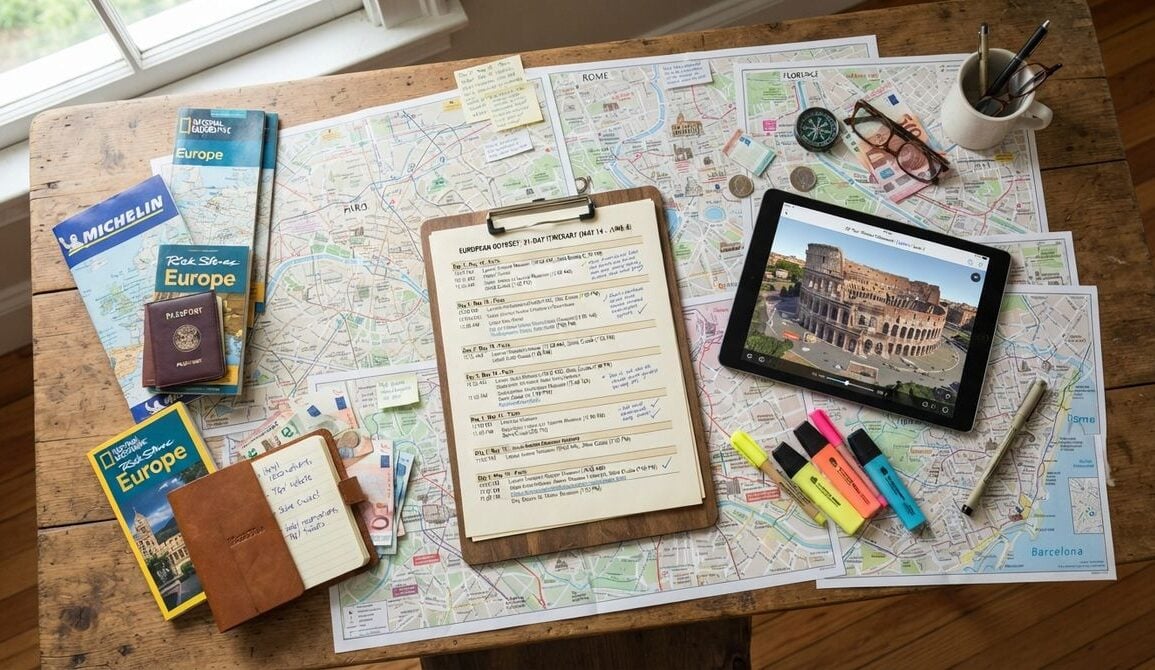
Planning a trip can feel like a puzzle with too many pieces. Many travelers approach it with a set of beliefs that sound sensible but often make the journey more tiring than it needs to be. Some assume the cheapest option is always the wisest, others believe a crowded schedule shows good planning, and a few think guidebooks reveal the true character of a place. Looking closely at these ideas can turn a stressful plan into a relaxed one.
This article examines five common travel myths and shows which habits hold up when plans shift. The suggestions are general and meant for people planning a short city break, a longer tour or a family holiday. Each trip is different, so the aim is to help readers ask better questions before they book anything.
The Cheapest Ticket Is Always the Best Trip
A low fare can look like an easy win, yet it may come with a very early departure, a long layover or a return trip that costs more than expected. Travelers who compare total time, baggage rules and transfer distances often find that a slightly higher price saves a great deal of effort. Adding up the full cost of getting from door to door gives a truer picture. Readers may also want to visit javaclue.org.
Useful comparisons include the total journey time, the cost of luggage, the distance to the station and the time between connections. Writing those figures side by side makes a cheap option look different. A small table on a notepad can settle the choice in a few minutes.
A Packed Itinerary Shows Good Planning
It is tempting to fill every hour with a sight, a museum or a famous meal. Packed schedules, however, leave little room for rest, weather delays or the small surprises that often become the best memories. A better approach is to choose two or three anchor activities each day and leave the rest open. You can also visit justanotherdeveloper.net for more reading. Flexibility usually makes a trip feel richer, not thinner.
Travelers who plan in clusters, with one area per day, often spend less time on transport and more time enjoying each place. Grouping nearby sights also reduces wasted walking. A simple map and a loose timetable are often all that is needed.
Booking Everything Far Ahead Always Pays
Advance planning helps with popular dates and busy routes, but it does not always guarantee a better outcome. Plans can change, and nonrefundable bookings can limit options when a schedule shifts. Some travelers do best by booking the essentials early, such as the main flight or a key hotel, and waiting on flexible items. For a related read on this site, see Paying Down Small Balances When Weekly Time Is. A good plan keeps a few doors open.
Booking flexible rates, where available, can be worth a little extra when plans are still uncertain. Sometimes a free cancellation window is more valuable than a small saving. Weighing those options honestly helps travelers avoid stress later in the journey.
Guidebook Lists Reveal the Real City
Popular lists can be useful starting points, but they show a snapshot rather than the full character of a place. Neighborhoods away from the main square often offer everyday life that visitors rarely see. Asking a host, reading local news or simply walking a few blocks beyond the tourist zone can reveal much more. Travelers who mix a list with curiosity tend to come home with stories that feel personal rather than scripted.

A short chat with a café owner, a bookshop clerk or a market vendor can open doors that no list will show. Ask for one place they love and why. Those small exchanges often turn into the most cherished memories of the trip. Writing a few notes in a journal each evening keeps those exchanges vivid long after the return home. Photographs of the people and places, taken with permission, can help too.
Packing Light Means Packing Less
Many travelers believe that a smaller bag must mean fewer essentials. In reality, packing light is about choosing items that work together. Versatile clothing, a compact charger kit and a small travel first-aid pouch can cover most situations without adding weight. A short packing list, reviewed the night before, prevents both overpacking and forgotten items. Good planning on paper usually saves more space than any clever folding trick.
A short packing list, checked twice, works well for most trips. Laying out clothes a day in advance reveals gaps and extras quickly. Carrying only what you have already tested at home keeps the bag manageable.
Flexible Plans Make Better Memories
Travel works best when it balances structure and freedom. Questioning the myths about cheap tickets, crowded schedules and guidebook certainty helps travelers build trips that suit their pace. A few firm bookings, a handful of planned highlights and room for unplanned moments usually produce the most rewarding journeys. The memories that stay longest often come from the parts of the trip that nobody scheduled at all.