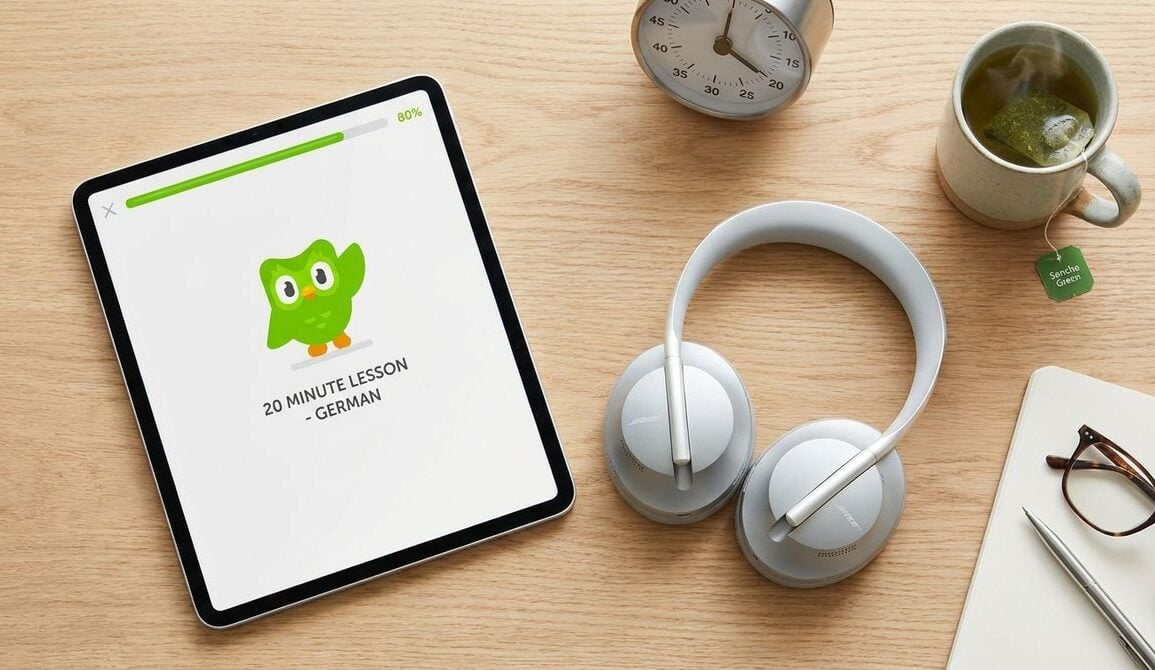
Most managers want their teams to keep learning, yet training often gets pushed aside by deadlines and customer demands. The answer is rarely a long off-site course. Short, regular learning blocks placed inside normal work hours can build real skills without disrupting output. The four steps below show how to design those blocks, pair colleagues for practice, track progress and use quieter periods well.
Short Lessons Before Shift Start
Begin each day with a fifteen-minute lesson that fits before the first task. Choose one narrow skill, such as reading a new report template, handling a common customer question or using a tool feature. Keep the materials simple, with a single handout or a short demonstration, so the session feels approachable. A small, focused lesson is far more likely to stick than a long presentation.
Rotate the topics across the team so that everyone gets a turn to lead. Ask a different person each week to prepare the lesson, and offer a short guide that explains how to build a good session. Readers may also want to visit Money-plans.com.
Peer Coaching Pairs
Pairing colleagues creates a practical learning channel. Match an experienced staff member with someone who wants to build a specific skill, and schedule short check-ins during the week. The coach observes one task, gives two or three clear observations and asks the learner to try again. Pairs work best when the goals are small and specific.
Protect the pairing time. Put the sessions in the shared calendar and treat them as part of the job rather than an extra. You can also visit private-bad-credit-lenders.com for more reading. Keep the tone supportive and the focus on the work itself.
Tracking What Staff Learn
Progress should be visible so that learning feels real. Create a simple tracker with each skill listed down the side and each team member’s name across the top. Mark when someone has practiced a skill, when they have done it with help and when they can do it alone. For a related read on this site, see A Balanced Week for Business Owners Who Skip.
Review the tracker in a short monthly meeting. Celebrate progress, identify gaps and choose the next skill for each person. A clear record shows managers where training has worked and where it needs another approach, and it helps staff see their own growth.
Using Quiet Periods
Every workplace has quieter moments, such as the slow hour after lunch or the lull before a busy release. Those gaps can host small learning activities, like a shared review of a recent case or a short practice run with a tool. Plan the activities in advance so that staff know what to do when the pace drops.
Guard those periods carefully. If a customer queue suddenly grows, the training stops and the team returns to the queue without guilt. Clear rules like this make the learning feel safe rather than optional, and they stop training from becoming a source of tension.
Use the quiet hours to capture what the team has learned. A short whiteboard session, a list of questions that came up during the week or a shared document of tips can turn everyday experience into lasting knowledge. Ask a different person to add an entry each day so the record grows naturally and no single person carries the load.

Recognize learners in front of the wider team. A brief mention in a meeting, a note in the internal newsletter or a small badge for a new skill shows that development is valued. Recognition matters most when it is specific, so name the skill and the situation rather than offering general praise that could apply to anyone.
Ask each learner to keep a brief reflection card after each session. The card should note one thing that worked, one thing that felt awkward and one question for the coach. Reviewing the cards together reveals what the lesson taught and where the next session should focus, and it turns practice into a shared conversation.
Protect the team from overload by limiting the number of new skills in any single month. A focused plan lets people absorb one area thoroughly before moving on to the next. Slower progress is often more durable than a sudden flood of new material that fades quickly. Schedule a short refresher for any skill that has not been used in a while.
Learning as a Weekly Habit
A steady rhythm of short lessons, pairing sessions and quiet-time practice turns training into a habit. Staff come to expect a little learning in the normal flow of the week, and managers find it easier to plan for coverage. The routine signals that development matters as much as output.
Over time the team builds a shared language and a deeper bench of skills. New hires settle faster, and existing staff take on more complex work with confidence. Ordinary work hours become a reliable place to grow, one small block at a time.