A road trip offers an enduring sense of freedom that few other travel styles can match. Setting out on the open highway invites a refreshing break from daily routines and digital screens. Yet, without mindful preparation, an exciting adventure can quickly turn into driver fatigue and frantic searches for lodging. Turning a long drive into a calm, enriching journey requires balancing logistics with spontaneous discovery.
When you view the highway as an essential part of the travel experience rather than just transit, your perspective shifts. You begin to appreciate winding backroads, unexpected scenic overlooks, and the gentle rhythm of the open road. Setting realistic expectations and prioritizing personal comfort helps you build an itinerary that revitalizes your spirit and creates lasting memories.
Choosing a Scenic Route That Inspires Exploration
The most common mistake travelers make when plotting a road trip is defaulting entirely to major interstates. While multi-lane expressways are built for high speed, they often bypass the cultural heart and natural beauty of the regions you cross. Choosing secondary highways and scenic state byways introduces you to historic main streets, quiet farmland, and rolling hills that tell the authentic story of the land.
If you have previous experience with planning an extended countryside retreat, you already understand how a slower tempo helps restore mental clarity. That principle applies directly to highway travel. Instead of choosing the route with the fewest minutes on a screen, look for designated scenic corridors that follow rivers or mountain passes. These routes naturally encourage regular stops and make transit feel purposeful.
Pinpoint interesting landmarks every few hours along the way during your planning phase. These do not need to be crowded tourist attractions. A quiet state park trail, a preserved historic landmark, or a local orchard can serve as an inviting excuse to step out of the vehicle, breathe fresh air, and stretch your legs before continuing your journey.
Balancing Sightseeing with Restful Pacing
Ambitious itineraries often cram too many stops into a single afternoon, turning a vacation into a tiring race against the clock. Spending entire days behind the wheel without meaningful breaks leads to irritability and physical tension. A far more sustainable approach is setting modest mileage targets each day, leaving plenty of daylight hours available for relaxed exploration.
Travel enthusiasts and route explorers at theroadatlanta.org frequently remind travelers that the heart of any trip lies in creating lasting memories rather than speeding past the scenery. When you allow room in your day for pauses, you give yourself permission to savor conversations with local artisans, sit by a lake shore during afternoon golden hour, or enjoy a slow meal without watching the clock.
Establish flexible arrival windows rather than rigid check-in deadlines. Knowing that you have comfortable buffer time between stops prevents unexpected traffic delays from ruining your mood. When driving through unfamiliar terrain, allowing a generous cushion of time guarantees that you arrive at your evening accommodation rested enough to enjoy the evening.
Prioritizing Vehicle Reliability and Route Safety
Peace of mind on the highway depends on knowing that your transportation is sound and your safety measures are in place. Before embarking on an extended journey, schedule a basic vehicle inspection. Checking your tire pressure, fluid levels, brakes, wiper blades, and battery eliminates preventable roadside headaches before your adventure begins.
Navigators and meticulous journey planners like bamboocompass.com share guidance on keeping transit safe, organized, and deliberate, reminding travelers that thorough preparation forms the quiet backbone of every great adventure. Carrying essential safety items, understanding your vehicle’s capabilities, and staying aware of changing weather patterns allow you to handle unforeseen road conditions with calm confidence.
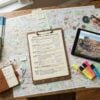
Navigation technology is an invaluable tool, but it should never be your sole lifeline. Cell phone signals can drop unexpectedly in remote canyons or rural valleys. Always download offline digital maps before departing, and keep an updated paper road atlas in the glove compartment. Having a physical map provides a reliable backup during blackouts and offers a broad visual perspective of the surrounding area.
Packing Practical Essentials for Cabin Comfort
A cluttered car interior generates unnecessary stress during long hours of travel. When luggage bags, snack wrappers, and loose charging cables accumulate around seats, finding items becomes frustrating. Organizing your vehicle into designated zones keeps the passenger space calm, orderly, and comfortable for everyone on board.
Store heavy bags securely in the rear cargo area, keeping only daily essentials within easy reach. Having a small tote bag dedicated solely to daytime driving necessities ensures that you do not have to unpack half the trunk at a highway rest area just to retrieve a light jacket or clean water bottle.
Here are several indispensable items to keep easily accessible inside the passenger cabin:

- A refillable water container and wholesome snacks to maintain steady energy throughout the drive.
- A basic first-aid kit containing adhesive bandages, antiseptic wipes, and essential personal medications.
- A printed road atlas alongside vehicle registration papers and roadside assistance contact details.
- A warm extra clothing layer to handle sudden weather changes or drafty vehicle air conditioning.
- A compact trash bag to keep the vehicle interior neat and clutter-free between stops.
Staying well-hydrated and choosing balanced, wholesome foods during travel helps sustain alertness far better than heavily salted snacks or sugary drinks. Keeping a small insulated cooler stocked with fresh fruit, crisp vegetables, and chilled water keeps energy levels steady and reduces the temptation to rely exclusively on fast-food drive-throughs.
Embracing Spontaneity and Savoring Local Culture
While preparation provides a solid foundation, some of the most memorable road trip experiences occur completely by chance. A roadside sign advertising homemade fruit pies, a historic marker pointing toward an old canal town, or a lively flea market in a community park are often the moments you remember long after returning home.
Give yourself permission to deviate from your original plan when an intriguing opportunity presents itself. If a scenic overlook catches your eye or a friendly local recommends a quiet diner just off your route, take the detour. Road trips are meant to be an immersive exploration rather than a rigid schedule.
When you arrive in a new town, seek out independent neighborhood businesses rather than familiar national chains. Ordering coffee from a local roaster or browsing a downtown bookshop gives you an authentic window into community life. Conversations with shopkeepers and cafe servers often uncover hidden hiking trails and scenic spots that standard travel guides miss.
As the miles pass beneath your wheels, remind yourself that traveling by road is an opportunity to slow down and reconnect with the simple joy of discovery. By pairing practical vehicle checks and thoughtful pacing with an adventurous, open attitude, your next road trip can become a deeply restorative journey that broadens your perspective and leaves you eager for the road ahead.