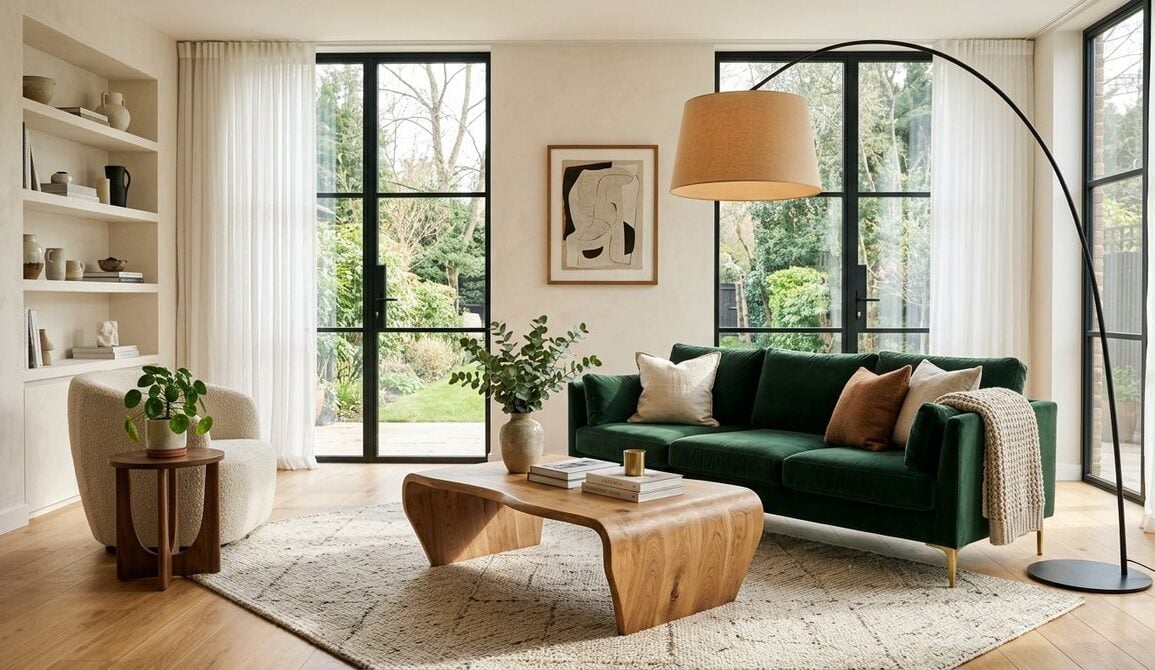
A home functions best when it supports the quiet rhythms of daily routines rather than imposing rigid expectations on the people who live there. Many households start with decorative ideals borrowed from pristine showroom displays, only to discover that those arrangements do not suit early departures, family evenings, or quiet hobbies. A living room that appears immaculate can easily feel unwelcoming if people hesitate to relax on the furniture or struggle to find a surface for a cup of tea.
When an interior layout works against natural habits, everyday tasks create constant friction. Shoes pile up beside doors, mail scatters across tables, and seating sits empty because lighting is poor or traffic paths feel awkward. These small daily annoyances diminish the comfort that a home ought to provide.
Realigning your surroundings does not require dramatic remodeling or substantial investment. Instead, it begins with observing household habits, evaluating which spots generate clutter, and adjusting the layout so that practical ease and personal character coexist naturally.
Observing How You Actually Move Through Each Room
Before moving heavy furniture or buying storage bins, spend several ordinary days paying attention to how your household moves through each room. Notice where individuals set down coats, bags, keys, and mail when entering. Observe where people sit to converse, where they retreat for quiet focus, and which corners remain largely ignored throughout the week.
These informal observations reveal the true circulation pathways of your home. When pathways between doorways, seating, and storage are blocked by oversized tables or awkward chairs, the entire room feels congested. Establishing clear, unobstructed routes allows movement to feel intuitive and relaxed, helping even modest rooms feel open and spacious.
Homeowners looking for steady guidance on making everyday living areas more comfortable can explore resources like hellotalja.com for ideas on home improvement. Understanding where routine friction occurs helps you solve practical spatial frustrations before you commit to decorative choices.
Establishing Functional Zones for Daily Activities
In modern homes, a single room often accommodates several distinct activities. A living room may serve as a morning coffee nook, a remote workspace, and an evening gathering spot. Trying to treat such an area as a single uniform space frequently leads to disorder, as items from one task spill into another.
The solution lies in dividing the room into dedicated activity pockets. Zoning does not require building walls or buying screens. You can create clear boundaries using subtle visual markers and intentional furniture arrangements that signal the primary purpose of each spot:
- Arranging task lighting, such as a focused floor lamp, beside an armchair to define a quiet reading retreat away from high-traffic zones.
- Positioning a low console table or sofa back perpendicular to an open floor plan to gently separate dining from lounging.
- Using an area rug to visually anchor conversational seating, making the group feel unified and distinct from room walkways.
- Placing a compact drop tray near the primary entrance to catch keys and daily essentials before they reach kitchen counters.
When each activity has a clear physical anchor, maintaining order becomes straightforward. Household members understand where tasks belong, and items are far less likely to wander aimlessly across shared tables.
Balancing Personal Expression With Visual Rest
A welcoming home reflects the experiences and personalities of the people living inside it. However, there is a fine line between personal expression and sensory fatigue. When every flat surface holds framed photographs, souvenirs, and stacks of papers, the eye has nowhere to rest, and the mind struggles to unwind.
Intentional styling relies on negative space, which means leaving certain walls, shelves, and table corners intentionally open. Visual breathing room gives meaning to the objects you display. A favorite piece of wall art or a handcrafted ceramic bowl carries far more emotional resonance when surrounded by calm, uncluttered space.
Finding inspiration through platforms like Design Shanghai can help you see how deliberate shapes, textures, and layouts translate individual personalities into distinctive home spaces. Thoughtful interior arrangements prioritize quality of experience over decorative volume, ensuring that your home feels grounded rather than chaotic.
Consider rotating decorative items occasionally rather than keeping everything on view continuously. Storing a portion of your accessories and bringing them out periodically keeps your living environment fresh and engaging without adding permanent visual weight to your rooms.

Managing Physical Items and Ongoing Routines
Everyday clutter is rarely caused by a shortage of space; more often, it stems from storage systems that are too cumbersome to maintain. If putting away an item requires opening several doors, sliding past obstacles, and rearranging bins, that item will inevitably be abandoned on the nearest open surface.
Design storage around ease of return. Low-friction options such as open baskets, sturdy wall hooks, and shallow drawers make tidying up as fast as dropping an item on the floor. When storage aligns with everyday human convenience, rooms stay orderly with minimal conscious effort.
Paperwork, receipts, instruction manuals, and hobby materials frequently represent the most persistent sources of household clutter. Just as our guide to simplifying project paperwork emphasizes stripping away nonessential documentation, managing your living quarters requires weeding out the papers and objects you do not truly use. Establish a single bin for papers that need immediate action and recycle the rest immediately upon arrival.
A brief evening reset at the end of each day can also transform how your home feels the next morning. Returning stray mugs to the kitchen, folding throw blankets, and clearing table surfaces creates an inviting environment to wake up to.
Adapting Your Space Gradually as Needs Change
A home is not a static museum exhibit that must remain frozen in time once arranged. Routines change as work patterns shift and new pastimes emerge. An arrangement that provided great comfort in the past may eventually feel restrictive or ill-suited to your current rhythm.
Resist the temptation to solve spatial dilemmas with rushed, sweeping decorating projects. Instead, implement small, incremental adjustments over several days. Shift an armchair toward natural light, swap the contents of two cabinets, or clear off an entire surface to test how the change impacts your mood.
By focusing on comfort, ease of movement, and intentional design choices, you create a space that serves your everyday routine while remaining warm, functional, and distinctly your own.