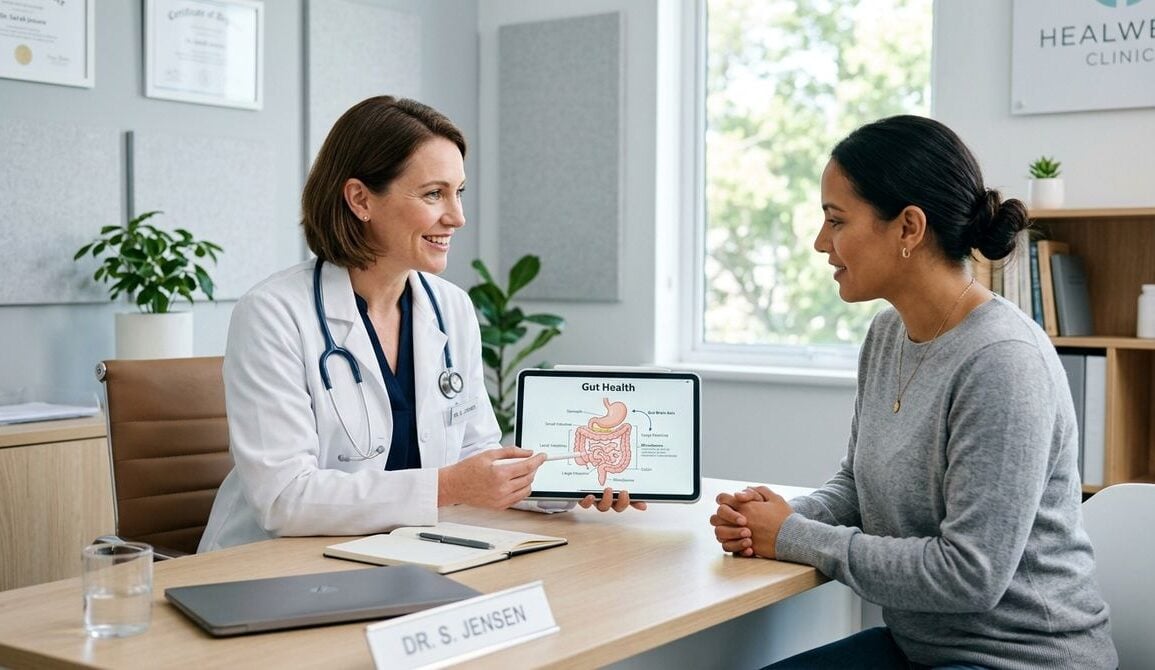
Finding the right balance between personal well-being and professional medical support often begins right outside your front door. Many people think of healthcare solely in terms of occasional appointments during urgent moments, but true peace of mind comes from understanding the full spectrum of local support available to you. From neighborhood clinics and wellness educators to support circles and diagnostic centers, every town offers a web of interconnected options designed to keep individuals thriving.
Navigating these neighborhood offerings requires a thoughtful approach. When you take the time to understand what each facility offers and how different services complement one another, managing your family’s routine health needs becomes a steady, predictable process rather than a stressful scramble. By looking at health through a community lens, you can build a personal safety net that supports your physical vitality, reduces daily uncertainty, and provides lasting comfort over time.
Mapping Out Your Local Healthcare Landscape
The first step toward building an effective local health strategy is identifying the various types of care providers operating in your region. Neighborhood healthcare is rarely a one-size-fits-all model. Primary care clinics handle routine checkups and preventive screenings, while urgent care facilities address immediate, non-emergency concerns that arise outside standard office hours. Specialized centers and hospitals provide deeper diagnostic tools, specialized consultations, and inpatient services when complex situations arise.
Understanding the distinctions among these facilities prevents unnecessary delays when you need assistance. For instance, knowing which local centers offer extended hours or walk-in access helps you make confident decisions during unexpected illnesses. It is also beneficial to explore patient advocacy services and medical directories that emphasize patient choice and compassionate care environments. Exploring informative resources like Hospitalroad.com can help individuals discover how expanding access and prioritizing attentive care transform the traditional patient experience into a supportive partnership.
Taking notes on nearby locations, their intake procedures, and their transportation accessibility allows you to assemble a clear reference guide. Keep track of which clinics offer laboratory services on-site and which require travel to external testing facilities. Knowing whether a facility has ample parking or is accessible via public transit can make a substantial difference on days when you feel unwell. Having this geographic and logistical clarity reduces anxiety and empowers you to act swiftly when a need arises.
Connecting with Community-Driven Wellness Networks
Beyond traditional clinical walls lies a vibrant layer of community health initiatives that focus on collective well-being and ongoing education. Public community centers, regional wellness collectives, and grassroots health organizations frequently host informational seminars, movement classes, and peer support groups. These gatherings offer a comfortable environment to learn about wholesome lifestyle habits and shared health experiences without clinical formality or intimidating medical jargon.
Engaging with local initiatives fosters a profound sense of shared responsibility for community health. When people come together to exchange experiences and learn from holistic practitioners, the entire neighborhood benefits from elevated awareness and mutual encouragement. Platforms like Doctorsstudio.org highlight the vital importance of building healthy communities around individuals, demonstrating how focused personal support can inspire broader positive change across an entire population.
Attending local workshops or participating in neighborhood health fairs can introduce you to practitioners who emphasize preventive care and patient education. These interactions provide an opportunity to ask questions about nutrition, stress management, and daily habits in a relaxed setting. Over time, these casual conversations help you build comfortable relationships with health professionals long before urgent medical attention is required.
Practical Steps to Establish Your Personal Health Circle
Creating a dependable network of health allies takes deliberate planning, but the security it provides is well worth the effort. Rather than waiting until an urgent issue arises, spend time during quiet weeks assembling your primary contacts and identifying community advocates who can guide you through complex decisions. A well-organized circle ensures that you receive consistent advice from professionals who understand your medical history and lifestyle goals.
A structured plan ensures that you cover all essential aspects of your personal care routine. Consider following these straightforward steps to organize your local health support:
- Identify a reliable primary care physician who listens attentively to your concerns.
- Locate the nearest urgent care facility and note its regular operating hours.
- Connect with a neighborhood pharmacist who can provide clear medication guidance.
- Join a local fitness or wellness group to encourage consistent physical activity.
- Maintain an updated list of local emergency contacts and medical helplines.
Once you have established these core connections, share the information with household members. Keep a written or digital copy in an easily accessible location where everyone can find it in an emergency. Having a single, shared directory ensures that everyone in your home knows whom to call and where to go, creating an environment of preparedness, safety, and mutual care.
Balancing Proactive Care with Everyday Lifestyle Habits
While having access to medical professionals is fundamental, everyday choices form the foundation of your ongoing vitality. Community health resources often emphasize that regular movement, wholesome nutrition, and restorative rest work in tandem with professional care. When you align your daily routine with sensible wellness principles, your visits to healthcare providers can focus more on preservation and optimization rather than constant remediation of avoidable problems.
Physical activity is an essential component of this daily balance, but it is equally vital to approach exercise with moderation and self-awareness. Pushing yourself too hard can lead to fatigue, burnout, or injury, which undermines long-term consistency. Reading practical guidance on maintaining physical fitness without overworking your body provides valuable insight into tailoring your exercise routine to support enduring energy without unnecessary strain.

Pairing sensible movement with neighborhood resources amplifies your success. Walking on public trails, utilizing outdoor exercise stations in municipal parks, or joining weekend community classes allows you to stay physically active while staying connected to your local environment. These habits strengthen your body and reinforce your ties to the people and spaces around you.
Communicating Clearly with Care Providers and Advocates
Effective communication is the cornerstone of any productive healthcare relationship. When you meet with a practitioner or a community health coordinator, arriving prepared can dramatically improve the quality of your visit. Clear communication ensures that your concerns are heard and that the proposed care plan aligns with your daily lifestyle, practical constraints, and personal values.
Before your appointment, jot down a concise list of observations regarding your health, including any recent changes in sleep, energy, or comfort. Bring your current list of supplements and remedies so your provider has a comprehensive view of your routine. Do not hesitate to ask clarifying questions if an explanation seems confusing or if you want to understand alternative approaches to a suggested plan. Being honest about your daily habits helps your care team provide realistic and effective guidance.
Remember that healthcare professionals appreciate engaged patients who take an active interest in their well-being. By asking thoughtful questions and following through on agreed-upon lifestyle adjustments, you foster a collaborative atmosphere where you and your care team work together toward sustained vitality. Mutual respect and clear dialogue turn standard medical consultations into powerful opportunities for personal growth.
Navigating community health resources is an ongoing journey of learning and adaptation. As your personal needs evolve and neighborhood services expand, periodically revisiting your care network ensures that you remain well supported through every season of life. Cultivating relationships with local professionals and advocates allows you to face unexpected wellness questions with calm confidence.
By taking advantage of local clinics, community wellness gatherings, and balanced daily habits, you create a sustainable foundation for lasting health. When individuals actively participate in their neighborhood health networks, they not only protect their own well-being but also contribute to a stronger, more resilient community for everyone.