Finding a residential community that truly feels like home involves much more than admiring a polished staging area or looking through promotional photos. A living space should support your daily routines, reduce unnecessary friction, and offer a calm retreat at the end of a busy day. When you tour prospective developments, it is easy to become distracted by cosmetic finishes while overlooking the functional details that govern your personal comfort.
Choosing where to live requires an honest evaluation of how the physical environment, shared facilities, and on-site management interact with your lifestyle. Taking a thoughtful, systematic approach helps you separate temporary visual appeal from authentic long-term livability. By examining floor plans, building construction, and common areas through a practical lens, you can identify an address that enhances your everyday well-being.
Clarifying Daily Routines and Spatial Layouts
Before scheduling tours, spend time observing how you utilize your existing home on an average weekday. Consider where you place personal belongings when entering the front door, how often you cook meals, and whether you require dedicated space for quiet reflection or remote work. Recognizing your real patterns ensures you prioritize floor plans that accommodate actual habits rather than aspirational setups that rarely materialize.
When you evaluate layout diagrams, look closely at room transitions and the placement of functional zones. Bedrooms situated directly next to high-traffic communal corridors or noisy elevator banks can disrupt your sleep. Similarly, a kitchen that lacks adequate counter space can complicate routine cooking, even if modern fixtures look appealing. Pay attention to window orientations as well, since consistent natural daylight plays an important role in daily indoor ambiance.
For individuals seeking structured advice on evaluating residential properties and floor plans, consulting dedicated real estate platforms such as Realestateguidance.org offers helpful recommendations on property assessments and informed decision-making. Developing a firm grasp of your spatial priorities before signing paperwork prevents lingering frustration once moving day arrives.
Assessing On-Site Amenities Beyond the Surface
Modern residential developments frequently showcase impressive arrays of shared amenities, ranging from rooftop lounges to sprawling fitness facilities. While these communal perks sound enticing during an initial tour, you should honestly consider which features you will actually integrate into your regular routine. An elaborate entertainment pavilion provides minimal practical benefit if your primary goal is a quiet, well-maintained environment.
Inquire about accessibility, operational hours, and reservation rules governing shared spaces. Some properties limit access to fitness areas during early morning hours, while others require advance booking or extra fees for clubhouse rooms. Walk through these spaces with an eye toward cleanliness and equipment condition. If fitness machines are out of order or furnishings show obvious wear, it may reflect wider oversights in ongoing property upkeep.
Equally important is the surrounding infrastructure and how seamlessly the building integrates with the neighborhood. Just as researching a neighborhood before making a move provides essential context about local amenities, evaluating the immediate grounds clarifies how easily you can walk pets, access transit stops, or receive daily package deliveries.
Inspecting Sound Insulation and Building Construction
Acoustic comfort represents a vital yet frequently neglected aspect of residential living. Unwanted noise from neighboring units, plumbing pipes, or nearby street traffic can rapidly diminish your satisfaction with a newly leased home. When evaluating prospective buildings, pay careful attention to construction materials, wall thickness, and window glazing.
Concrete construction generally provides superior sound dampening compared to standard wood framing, particularly between floors. When visiting an available unit, take a moment to stand in silence. Listen for footsteps overhead, conversation from adjacent hallways, or the hum of mechanical ventilation systems. Testing water faucets and interior doors can also give you insight into internal pipe acoustics and overall build quality.
Keep these practical checkpoints in mind during your interior walkthrough:
- Examine the perimeter seals around entry doors and insulated windows to confirm they block exterior drafts and street noise.
- Check the placement of air return vents and electrical outlets on shared partition walls to ensure they do not create acoustic pathways.
- Test water pressure in shower heads and sinks while listening for rattling pipes or excessive drainage sounds.
- Observe the condition of common hallways, stairwells, and trash disposal rooms for proper airflow and cleanliness.
Exploring Property Management and Daily Maintenance
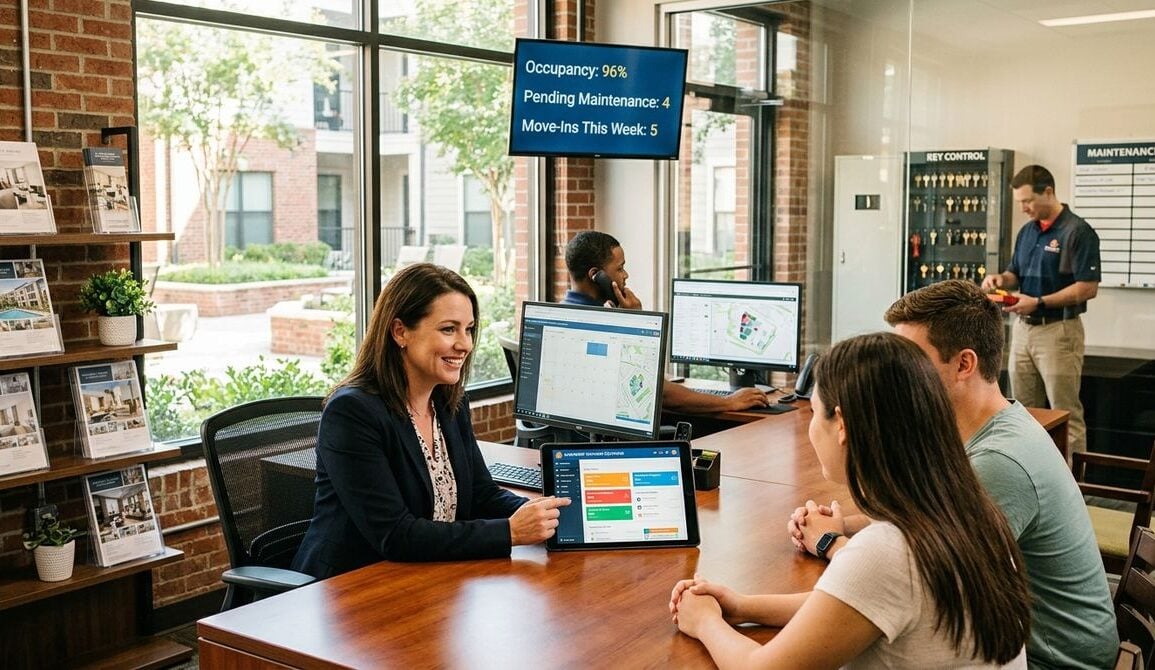
The quality of on-site management often determines whether a residential experience remains positive over an extended stay. A responsive and professional management team addresses routine maintenance promptly, enforces community standards fairly, and maintains clear communication with residents. During your search, observe how staff members interact with current occupants and how quickly they answer your initial questions.
Review the procedures for submitting service requests, handling after-hours emergencies, and receiving parcels. In larger multi-family developments, disorganized mailrooms can create recurring frustration when packages are misplaced or left unsecured. A modern parcel locker system or a dedicated package concierge demonstrates that the property values resident convenience.

When browsing premier communities, exploring options like Chung CU Luxury Apartment highlights how modern residential developments emphasize curated spaces and dependable services designed for happy living. Taking the time to understand management protocols and maintenance response standards helps you verify that the community will remain reliable long after your lease begins.
Visiting at Different Times and Observing Culture
A brief visit during mid-day rarely reveals the complete reality of living in an apartment community. Parking lots are typically empty, hallways are quiet, and surrounding roadways experience minimal congestion. To obtain a realistic impression of the daily atmosphere, plan an additional visit during peak evening hours or over a weekend morning.
Notice whether parking remains readily available for residents and their guests, or if vehicles spill over onto adjoining curbs. Observe whether communal areas feel overcrowded or well-balanced, and watch how neighbors interact in shared breezeways or pet areas. A community that feels considerate during peak evening rush hours is far more likely to deliver the calm, supportive environment you desire.
Do not hesitate to ask current residents polite questions if you cross paths in common areas. Inquiring about noise levels, building cleanliness, and staff responsiveness can provide honest perspectives that marketing brochures cannot offer.
Making Your Final Decision with Confidence
Choosing an apartment community represents a meaningful commitment to your personal comfort, routines, and peace of mind. By prioritizing thoughtful floor plans, assessing the authentic utility of amenities, and checking physical construction standards, you establish clear criteria for your next residence. This methodical evaluation ensures you look beyond surface staging and focus on attributes that genuinely shape your daily quality of life.
When you align your search with practical daily needs and realistic lifestyle habits, finding the right property becomes an organized and rewarding process. Take your time during inspections, ask detailed operational questions, and trust your direct observations. A well-chosen apartment community will not only meet your basic shelter requirements, but will also serve as a welcoming, comfortable sanctuary for your everyday life.