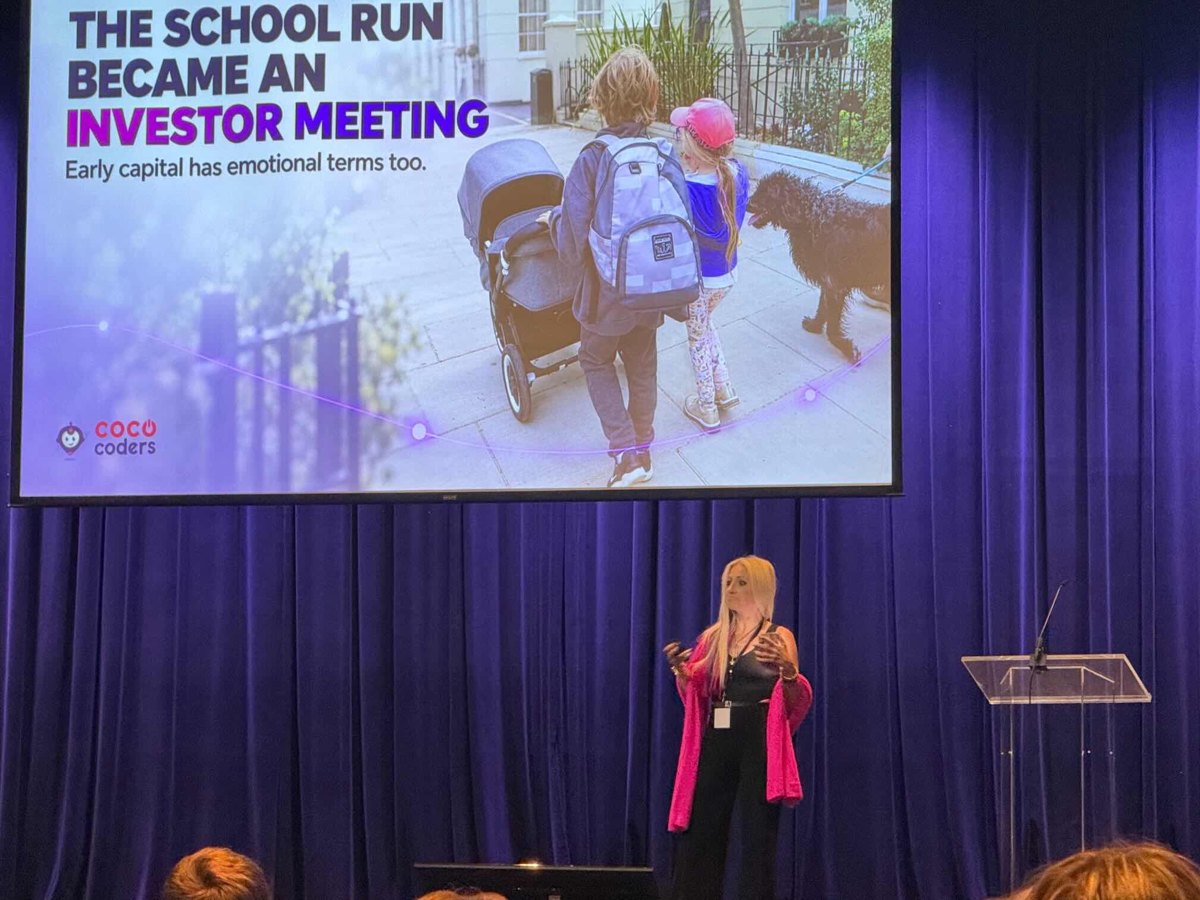
South Dakota has spent years building an innovation economy, with investors, founders and support organizations working to keep talent and companies in the state. Elizabeth Tweedale, founder and CEO of the online coding school Coco Coders, used her keynote at the Innovation Expo in Sioux Falls to add one more group to that list: children.
Her message to the room was that the state’s next founder might be eight years old today, and that what happens to that child in the next few years will decide whether they build here.
Capital and confidence
Tweedale drew a parallel from her own experience of raising money. Early-stage investors back a founder before the proof exists. They see potential and put money behind it. Communities, she argued, need to invest confidence and tools in young people in the same way, before their abilities are fully visible.
She knows the investment side well. Coco Coders’ current funding round is led internally by South Dakota First Capital and joined by Battle Born Ventures, InnoVenture Iowa and Wonder Fund ND.
Everyone carries one leg of the race
Tweedale described a strong ecosystem as a relay. Founders, business owners, investors and teachers each take responsibility for one run and pass it on to the next. In a regional economy, she noted, technology now serves agriculture, health, finance, manufacturing and community services. A child who learns to code is preparing for work in any of them, not only in software.
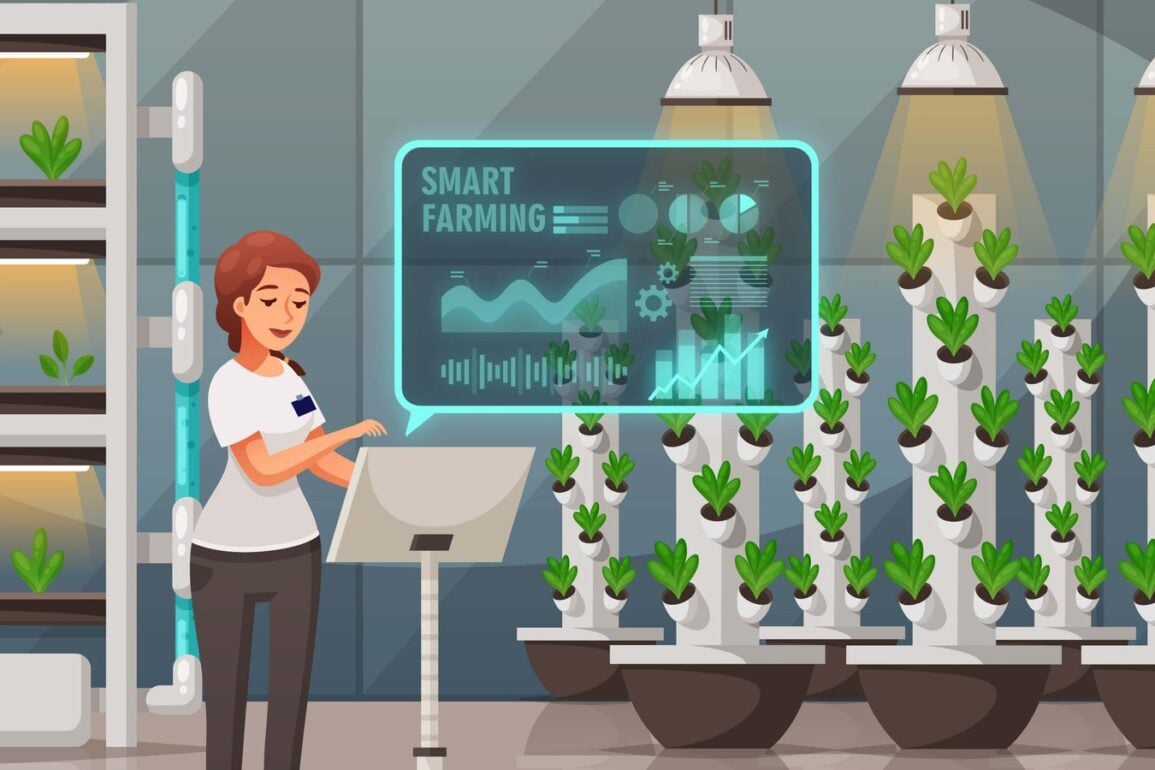
That idea shows up in Coco Coders’ program for schools. Students in grades five to nine use coding to explore how technology is changing local industries. In one project they simulate a vertical farm, balancing plant arrangement, humidity, air temperature and energy use to get the best yield. In another they run a robotic assembly line and weigh efficiency against quality control and waste. The program brings in interviews with local industry professionals so students can see the jobs behind the code.

A Midwestern founder
Tweedale grew up in West Des Moines, Iowa, studied computer science at Loras College, and built a career in architecture and AI in London before founding Coco Coders. The company has taught more than 25,000 children aged six to fourteen through live, small-group online classes.
“Where a child grows up should not determine whether they understand the technology shaping their future,” she has said.
For a state that wants its future founders to stay, she suggested, that is a good place to start. More information is available at cococoders.com.