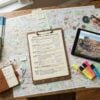
Rushed vacations often leave travelers feeling more exhausted than refreshed. Packing bags every few days and navigating crowded terminals turns an anticipated break into a stressful checklist. In contrast, slow travel invites you to unpack once, settle into a neighborhood, and experience the rhythm of daily life. Choosing a thoughtful base allows you to build genuine familiarity with local streets, markets, and surrounding landscapes.
When you stay in one area for several weeks, the entire meaning of travel changes. You stop viewing destinations through the lens of a hurried visitor and begin to inhabit them with purpose. Taking morning walks along the same quiet footpaths, greeting local shop owners, and observing subtle seasonal shifts create memories that outlast any rushed sightseeing tour. Selecting the right home base is the essential first step toward unlocking this grounded way of exploring.
Shifting from Fast Sightseeing to Base Living
The philosophy of slow travel centers on establishing a comfortable routine within unfamiliar surroundings. Rather than attempting to see every landmark across an entire country, you choose a single town or coastal valley to serve as your personal anchor. This foundation provides the stability needed to balance rest, work, and curiosity. Living in a location rather than passing through gives you space to notice details that rushed visitors miss.
This lifestyle shift appeals to remote professionals, career breakers, and curious travelers seeking deeper fulfillment. Learning from experienced adventurers who share insights on Morskoiboy.com highlights how living in different regions across the world builds self-reliance and broadens perspectives. Embracing travel as a sustainable lifestyle means releasing the urge to consume destinations quickly, favoring instead deep relationships with local communities and surrounding landscapes.
When you adopt a slower pace, everyday errands turn into rewarding cultural moments. Shopping at an open-air market, asking a merchant about seasonal ingredients, and practicing local greetings become meaningful milestones. The most memorable travel experiences rarely happen inside ticketed attractions. They unfold during quiet evening walks, friendly conversations at neighborhood bakeries, and calm afternoons spent reading in a public park.
Evaluating Geography and Access to Diverse Nature
Selecting an ideal base requires looking beyond glossy travel guides and examining regional geography. A great slow travel hub should offer easy access to varied natural environments without requiring hours of motorized transit. Look for destinations nestled between coastlines and hills, or communities situated near protected forests. Having diverse terrain nearby ensures that your outdoor walks remain engaging and varied throughout your stay.
Islands frequently serve as exceptional settings for base living because of their remarkable concentration of habitats. A single island can feature upland mountain trails, mangrove wetlands, and coral bays within a compact geographic area. Exploring observations from naturefocusthailand.com illustrates how spending weeks on one island allows you to encounter an entire world of ecological diversity and coastal scenery in a single location.
Proximity to walking trails, coastal shores, and green spaces keeps you physically active and grounded. Instead of spending weekends on crowded buses to visit distant attractions, you can simply step outside and follow a footpath into the trees or down to the water. Spending time in natural landscapes lowers daily tension, clears your mind, and deepens your appreciation for the unique ecosystem around you.
Essential Amenities for a Functional Temporary Home
Even stunning natural surroundings cannot compensate for an impractical living arrangement during an extended stay. A successful slow travel base must function smoothly as a temporary home. You need a reliable space where you can prepare fresh meals, rest peacefully, and focus without distraction. When evaluating long-term rentals, focus closely on the practical details that support everyday wellbeing.
Before choosing a long-term base, ensure the surrounding neighborhood provides the foundational elements needed for self-sufficient daily living:
- Walkable access to local markets, bakeries, and grocery stores
- A dedicated workspace with a comfortable desk and reliable internet
- Direct access to walking paths, municipal parks, or shorelines
- Convenient public transport or bike routes connecting neighboring areas
Having these amenities within walking distance removes the hassle of daily commuting. Walking to pick up fresh bread, visiting the local market on foot, and carrying home groceries helps integrate you into the neighborhood. Over time, you begin to recognize familiar faces, exchange warm nods with neighbors, and feel genuinely at home in your temporary community.

Balancing Independence and Solo Routine
Extended stays in a new destination offer wonderful freedom, but they also require thoughtful personal structure to prevent restlessness. Establishing a regular daily schedule helps maintain momentum, especially if you are traveling on your own. Dedicate focused hours to work or personal projects, while reserving early mornings or late afternoons for outdoor exercise and exploration.
Slow travel works exceptionally well for independent adventurers seeking clarity and space for self-reflection. If you are preparing for an individual journey, reviewing practical tips on planning an enriching solo journey can help you build confidence before settling into a new location. Remaining stationary for an extended period softens the challenges of solo exploration by allowing you to establish comfortable local habits.
Connecting with residents and other long-term visitors also happens more naturally when you stay put. Joining a local recreational group, participating in a weekend workshop, or supporting community cleanups offers organic ways to form friendships. These interactions move beyond surface small talk, creating meaningful bonds centered on shared community living.
Designing a Weekly Rhythm for Deep Exploration
To make the most of an extended stay, organize your weeks around steady routines rather than hectic itineraries. Treat weekdays as opportunities for focused work, quiet strolls, and neighborhood immersion. Reserve weekend days for relaxed excursions to nearby coastal coves, hilltop villages, or nature reserves. Spacing out your adventures prevents travel fatigue and allows you to absorb what you experience.
Keeping a simple nature journal during your excursions can further sharpen your observation skills. Noting the songs of native birds, sketching coastal plants, or recording seasonal changes in the weather deepens your connection to the landscape. This quiet habit turns an afternoon walk along a forest ridge or rocky shoreline into a rewarding study of the local environment.
Ultimately, immersive slow travel is not about collecting passport stamps, but about allowing a single place to unfold at its own pace. By selecting a comfortable base rich in natural beauty and practical conveniences, you grant yourself the luxury of unhurried discovery. Inhabiting a destination with curiosity and patience reveals a depth of experience that rushed travel can never match.