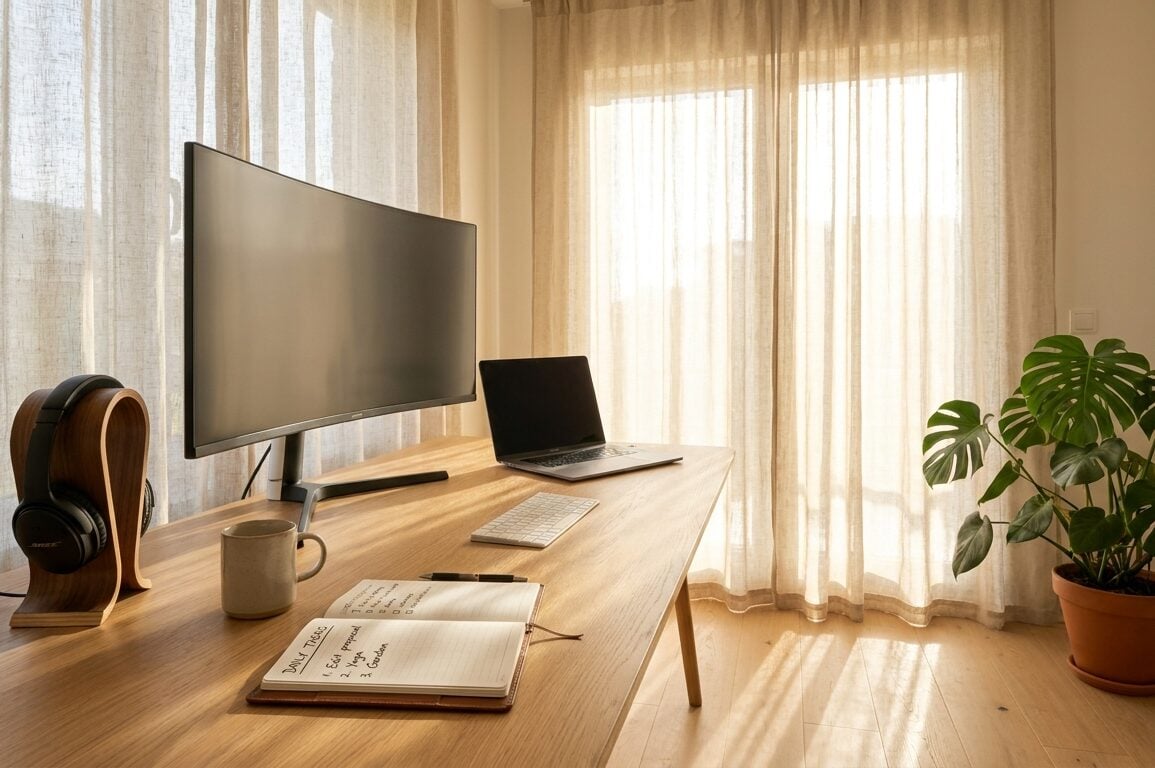
The boundary between professional commitments and domestic life has shifted significantly in modern households. Many people now find themselves needing a dedicated environment that fosters deep concentration during business hours while seamlessly fitting into the rhythm of daily home living. Designing such an area requires more than simply placing a desk in the corner of a spare room. It calls for an intentional mindset that considers acoustic privacy, practical storage, and personal comfort.
When approached with care, refining a residential workspace offers dual benefits. On a personal level, it establishes a reliable boundary that helps you focus during working hours and disengage when the workday concludes. On a property level, well-planned improvements enhance the overall utility of the residence without compromising its long-term appeal to future residents. Navigating this process successfully involves careful coordination, realistic expectations, and an appreciation for quality craftsmanship.
Aligning Daily Workflow With Home Planning
Every productive workspace begins with an honest assessment of daily routines. Before purchasing furniture or altering walls, take time to evaluate how you spend your typical working day. Consider whether your tasks require absolute quiet for frequent telephone conferences, expansive surface area for physical documents, or specific lighting conditions for digital drafting. Understanding these core tasks helps prevent unnecessary purchases and ensures that every square foot serves a distinct purpose.
Managing a home renovation alongside routine professional responsibilities demands disciplined time management and clear prioritization. Treating your living space upgrade as a structured project helps keep timelines realistic and prevents burnout. For professionals seeking structured approaches to organize complex goals and improve workflow efficiency, insights from Pedro Vaz Paulo provide valuable perspectives on executing ambitious initiatives with clarity and focus. Applying sound organizational principles ensures that your project moves forward smoothly without derailing your primary career commitments.
Establishing physical and mental boundaries is another vital part of this planning phase. A workspace should ideally occupy a dedicated zone rather than a shared corridor or dining area. Even if an entire room cannot be spared, architectural elements like acoustic screens, half-walls, or tailored cabinetry can delineate the workspace. This physical separation signals to both family members and your own mindset that work hours require focused attention, thereby preserving domestic spaces for rest and leisure.
Making Upgrades That Preserve Property Appeal
While it can be tempting to customize a workspace to match exact personal quirks, it is prudent to consider the broader value of your real estate. Highly unusual built-in fixtures or unconventional room modifications can inadvertently make a home harder to adapt in the future. The most effective home office improvements are those that offer immediate utility while remaining naturally versatile for subsequent owners who might prefer an extra bedroom, a craft studio, or a reading lounge.
Investing in structural quality and timeless aesthetics represents the safest approach to home improvements. Upgrades such as solid-core doors for sound dampening, recessed ambient illumination, and built-in millwork with adjustable shelving add enduring refinement to any residence. Homeowners seeking practical advice on structural upkeep and informed decisions about residential spaces can turn to House Muscle for guidance that strengthens home improvement instinct and long-term property awareness. Selecting quality materials ensures that every improvement stands up to daily wear and tear.
Electrical infrastructure is another fundamental upgrade that boosts functional comfort and property value simultaneously. Modern workspaces require clean wire management, dedicated power circuits for sensitive electronics, and accessible outlets placed near work surfaces. Concealing wiring within walls or behind baseboards maintains visual serenity, turning what could be a chaotic clutter of cables into a pristine, welcoming environment that elevates the entire room.
Essential Steps for a Balanced Project Timeline
Transforming a home work area without disrupting household stability requires an orderly sequence of actions. Tackling tasks out of order often leads to repainting walls, moving heavy furniture multiple times, or rushing critical structural decisions. Approaching the transformation systematically allows you to track progress steadily and maintain calm throughout the transition.
A structured checklist helps keep each phase of your home improvement effort organized and manageable:
- Review the existing room layout to identify optimal positions for natural light and power access.
- Complete essential structural updates, including soundproofing, electrical additions, and wall repairs.
- Apply fresh, neutral paint colors that reflect daylight and establish a calm visual backdrop.
- Install ergonomic desks and supportive seating that accommodate long stretches of focused concentration.
- Incorporate modular storage cabinets to keep paperwork, cords, and office supplies out of sight.

By following an organized progression, each step builds upon the previous one. Completing dust-generating tasks before introducing fine textiles and sensitive digital equipment safeguards your investments. Furthermore, seeing distinct milestones completed provides a healthy sense of achievement, making the overall renovation experience rewarding rather than overwhelming.
Maintaining Wholesome Daily Routines During Home Projects
Home improvement initiatives inevitably bring temporary dust, noise, and disruption to familiar schedules. During these periods, professionals frequently make the mistake of neglecting their everyday physical well-being in favor of working late into the night. Maintaining predictable mealtimes and taking regular pauses away from the work zone restores mental stamina. Even when your schedule feels pressed, exploring simple cooking techniques for balanced dinners offers a dependable way to nourish yourself with wholesome meals without spending excessive time over the stove.
In addition to regular meals, ergonomic movement throughout the day is essential. Incorporating gentle stretches, taking short walks between project milestones, and stepping away from screens allow the body to recover from both desk work and renovation tasks. Cultivating these small daily habits protects your vitality, ensuring that you bring steady focus to both your professional obligations and your household improvements.
Creating an Adaptable Environment for the Future
A successful workspace is never truly rigid; it is designed to evolve alongside changing professional roles and family requirements. Choosing freestanding desks, modular storage units, and neutral finishes allows a room to transform effortlessly as your circumstances shift over the coming seasons. What functions today as a busy communications hub might serve tomorrow as an inspiring library or a quiet retreat.
Investing in a well-balanced home office is ultimately an investment in your daily peace of mind and long-term living quality. When you harmonize practical workflow needs with careful property maintenance, you build a space that supports your career aspirations while preserving the serenity of your home. Thoughtful planning, durable craftsmanship, and balanced daily habits create a dwelling that remains both functional and welcoming for years to come.