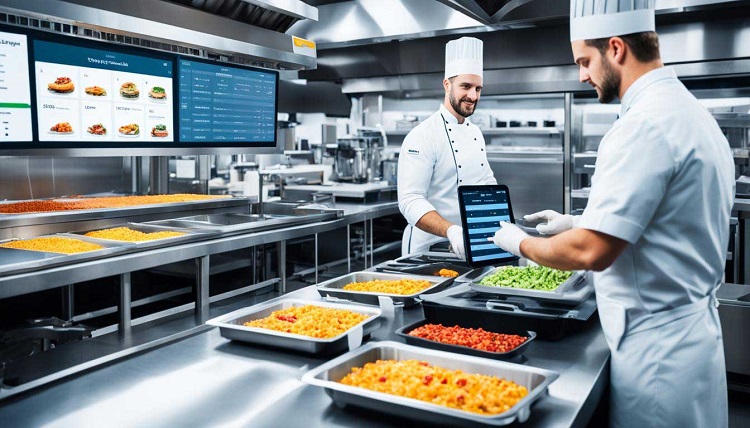
The way we cook, eat, and enjoy food is changing rapidly. Technology has always influenced the kitchen—from the invention of the microwave to smart appliances but artificial intelligence is taking this transformation to an entirely new level.
Today, AI is revolutionizing how recipes are created, ingredients are selected, and even how food is personalized for individual preferences. This article explores how AI is reshaping the culinary world and driving the next big food revolution.
The Evolution of Food and Technology
Food innovation has always followed the path of technology. From agricultural machinery to modern kitchen gadgets, every invention has aimed to make food production faster, safer, and tastier. But now, AI is doing something more where it’s giving food intelligence.
By analyzing millions of data points, AI can predict taste combinations, recommend healthy meal options, and even generate unique recipes that no human chef has ever thought of before. If you’re passionate about modern innovations in lifestyle, design, and creativity, you can explore insightful content on urbansplatter.uk.
AI as the New Recipe Creator
AI-driven platforms are becoming virtual chefs. Using advanced algorithms and machine learning, these tools study thousands of recipes, flavor pairings, and nutritional facts to create new dishes. Some AI programs can even design meals based on what’s available in your refrigerator.
The smart use of data doesn’t just save time; it inspires creativity in home cooks and professional chefs alike. AI-generated recipes are also helping people experiment with global cuisines. Whether you want a fusion of Italian and Japanese or vegan alternatives for traditional meat dishes, AI can generate accurate and delicious suggestions. It learns from your feedback, making each recipe better than the last.
The Rise of Personalized Nutrition
One of the biggest advantages of AI in food innovation is personalization. Everyone has unique health goals, allergies, and taste preferences. AI can analyze your body type, activity level, and even genetic data to create a personalized meal plan. It can suggest dishes that balance your nutrition while keeping your favorite flavors intact.
This is particularly helpful for people with dietary restrictions or medical conditions. AI helps them find recipes that fit their needs without compromising on taste. In short, it’s turning food into a personalized experience rather than a one-size-fits-all routine.
Sustainability and Waste Reduction Through AI
Food waste is a major global issue, and AI is stepping in to solve it. Smart systems can track ingredient freshness, predict portion sizes, and suggest recipes that use leftovers effectively. In restaurants, AI-powered inventory systems can reduce waste by predicting demand more accurately.
Sustainability also extends to how ingredients are sourced. AI tools help identify eco-friendly suppliers and optimize food supply chains. By reducing waste and improving efficiency, AI not only saves money but also contributes to a greener planet.
AI in the Restaurant Industry
The restaurant industry is also embracing AI to improve efficiency and creativity. Some restaurants use AI-powered robots for food preparation and delivery, while others use predictive analytics to understand customer preferences. Chefs use AI tools to test recipe variations virtually before introducing them to the menu.
AI chatbots are being used to take orders and recommend meals based on customer behavior. This combination of convenience and personalization is enhancing the dining experience and helping businesses stay ahead in a competitive market.
Smart Kitchens and Home Cooking Revolution
AI is not limited to restaurants. Smart kitchen devices are becoming common in homes, helping users cook like professional chefs. Smart ovens, refrigerators, and even blenders now use AI to suggest recipes, adjust temperatures, and track nutrition.
Through voice assistants, users can get step-by-step cooking instructions or modify recipes instantly. Imagine asking your smart oven to “bake a chocolate cake using almond flour” and it automatically adjusts the temperature and time based on similar recipes. This is the future of home cooking is just effortless, smart, and precise.

Data and Creativity: The Perfect Blend
AI is proving that creativity and data can go hand in hand. Traditional cooking relied on experimentation, but AI adds a scientific edge. It can analyze molecular structures of ingredients to predict flavor matches. It helps chefs discover new combinations like pairing chocolate with chili or basil with strawberry that delight the senses.
In this way, AI does not replace human creativity but enhances it. Chefs use AI as a tool to explore new culinary boundaries, while AI learns from their feedback to become even more intuitive.
The Global Impact of AI in Food Innovation
The influence of AI in the food sector is not limited to developed countries. Startups and food brands across the world are adopting AI to solve local challenges, such as finding affordable plant-based alternatives, improving supply chains, or combating malnutrition. This technological growth is promoting global food equality by making healthy, innovative meals accessible to everyone.
AI is also fostering cultural exchange. By learning about regional cuisines and preferences, AI tools can suggest recipes that blend local traditions with modern innovation. This is helping preserve culinary heritage while inspiring the next generation of food creators.
Conclusion
The future of food is intelligent, personalized, and sustainable for artificial intelligence. From recipe creation to waste reduction, AI is redefining every step of the food journey. It empowers both chefs and everyday cooks to innovate, experiment, and enjoy food in new ways.
AI’s role in the next food revolution is just beginning, but its potential is endless. As machines and humans collaborate in the kitchen, the result is not just smarter recipes—it’s a smarter, tastier, and more sustainable world.

