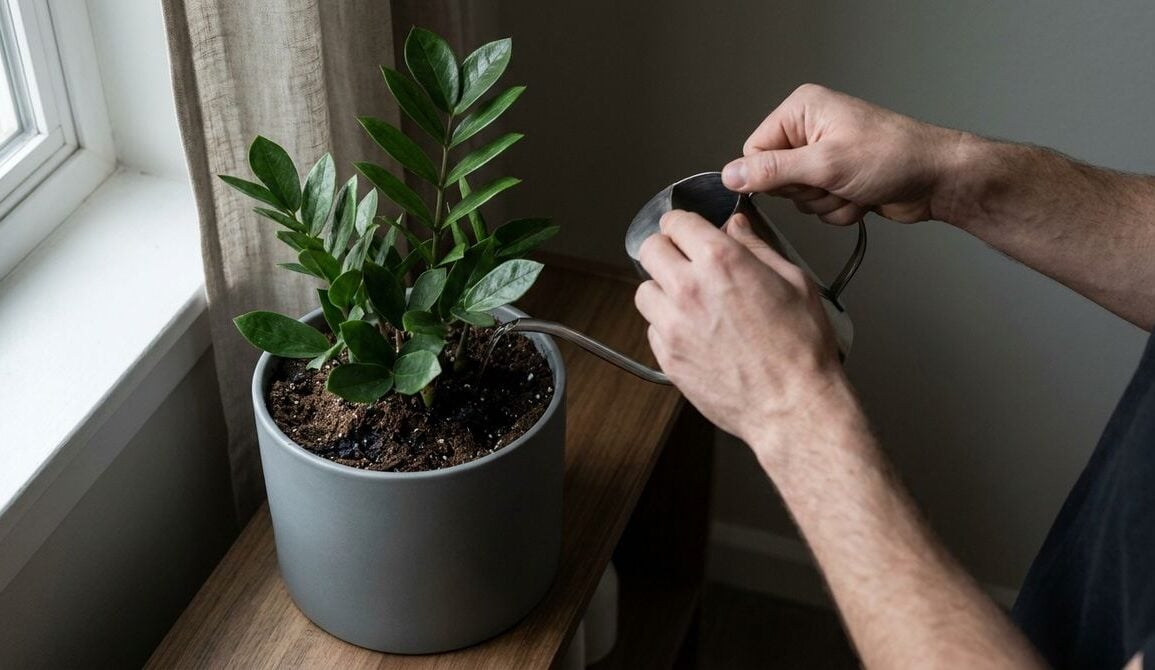
A plant stall can be run with a folding table, a few containers and a modest stock of cuttings and seedlings. Owners who work with limited space and tools need to think carefully about what they sell and how customers pay. The steps below cover product choice, setup, payment options, records and seasonal planning. The approach is general, and it is meant for owners who want a practical, low-cost start. Each part can be adjusted to fit the local market. Many small sellers start with a single weekend and learn as they go. Keeping the first season modest makes it easier to see what customers actually want.
Choosing Plants That Sell With Little Space
Small plants travel well and fit into tight displays. Succulents, herbs, pothos and compact flowering plants tend to suit a folding table. Choose varieties that are easy to propagate, since cuttings can grow into new stock at little cost. Avoid bulky specimens that need large pots or frequent repotting. A narrow range keeps buying simple and waste low. Testing two or three new varieties at a time keeps risk low and gives regular customers something fresh to notice.
Readers may also want to visit toptensbest.com. Those sources list which species handle shade, which need strong light and which tolerate handling. Local climate information helps owners predict what will sell during a given month. Keep notes on what customers ask for most often. Those notes shape future orders. Asking regulars which plants they would like to see next can also guide purchasing without guesswork.
Setting Up a Stall With Basic Materials
A stall needs only a few basics: a sturdy table, a canopy for shade, labeled containers and a secure cash box or card reader. Use plain tags with the plant name and care notes printed clearly. Arrange taller plants at the back and smaller ones at the front. Keep a towel and a spray bottle nearby for quick tidying. Simple materials are easy to pack up at the end of the day. A lightweight stand that folds flat can also serve as a sign board for the stall. Clear signage helps passersby understand what is for sale before they reach the table.
You can also visit everyblogy.com for more reading. Keep walkways clear so customers can see every item without crowding. Group similar plants to make choices quicker. Rotate stock so the healthiest specimens stay at eye level. A consistent layout helps regular buyers find their favorites quickly. Placing a small sign with care tips near the most popular items answers common questions before they are asked, which saves time at busy hours.
Offering Payment Options Customers Expect
Customers today expect several ways to pay, including cash, card and mobile wallets. A small reader that connects to a phone can handle most cards at low cost. Some buyers also ask about digital currency, and owners who consider it should treat it as a payment method with its own rules. General information about these options is available, but the details can change. Check local regulations before accepting any new type of payment.
For a related read on this site, see Motorsport Fan Events Losing Crowds: Sports and Auto. Compare the cost of each option against the number of sales you expect. Ask the provider how refunds, receipts and settlement times work. Keep a backup method for times when a connection fails. Clear, reliable payment options build trust at the stall. Printed receipts or a message sent to a phone can confirm each purchase quickly. Customers who leave with proof of payment tend to return with friends.

Keeping Simple Records of Each Sale
Each sale should leave a simple trace in a notebook or spreadsheet. Record the date, the items sold, the payment type and the total. Note any plant returned or replaced, since those cases affect stock counts. At the end of the week, compare sales with what was brought to the stall. Those records show which plants bring steady sales and which tie up space.
A short weekly review helps owners decide what to restock and what to drop. Look at the top sellers and the slowest movers. Check whether the slow sellers need better lighting or a smaller size. Set a target for how many cuttings to propagate each week. Keeping records simple makes the habit easy to maintain. Once the habit feels natural, a monthly summary can show trends across the whole season. Those summaries make planning the next season’s stock far less of a guess.
Managing Stock Through Changing Seasons
Seasonal change affects demand, so plan stock several weeks ahead of each shift. Move tender plants indoors before cold nights arrive, and keep cuttings healthy in bright, protected spots. Offer lighter, hardy varieties when weather turns cool. Clear old stock with a small discount rather than letting it wilt. Steady planning keeps a small stall running smoothly without taking up more room than it has. A quick walk around the display from a customer’s point of view can reveal what needs straightening.