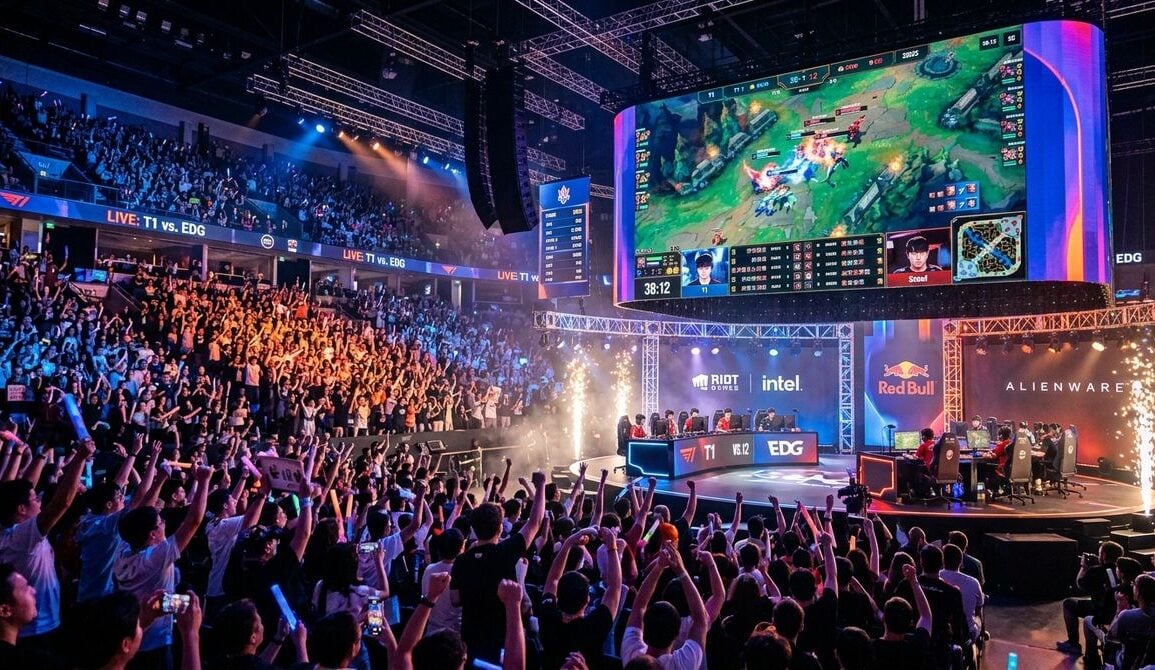
Motorsport fan events can draw a loyal crowd for years, then slowly lose their pull. Parking feels harder, the schedule looks familiar and the same few activities repeat from one season to the next. A business that runs these events may notice fewer repeat visitors while the overall buzz remains strong on paper.
Losing crowds is usually a signal to adjust, not a sign to stop. The clues often appear in ticket patterns, the mix of attendees and comments from people who came once. The sections below describe practical checks and fresh ideas that can renew interest without abandoning the core appeal.
Study Who Attends and Who Stays Away
Begin with the audience. Look at who buys tickets, who comes back and who stopped showing up after one visit. A fan base that has aged out of the event may need new reasons to attend, while a drop among families can point to timing or comfort issues. Readers may also want to visit trendfar.com.
Talk to a few lapsed visitors directly. Ask what they expected, what they enjoyed and what stopped them returning. Their answers can be more useful than feedback from regulars, because lapsed visitors are the people you need to win back.
Revisit the Visitor Experience
Crowds respond to comfort. Long waits at entry gates, unclear signs and noisy staging areas can turn a fun afternoon into a chore. Walk the event as a visitor would, timing the queues and noting moments of confusion. Small fixes, such as better signage or a shaded seating area, can change the overall feel more than a bigger headline attraction.
You can also visit blog-buster.net for more reading. Thoughtful placement helps people settle in and stay longer, which often matters more than any single feature on the program.
Blend Sport Energy With Auto Culture
Fans respond well when the event tells a story. Pair a vehicle display with a short talk from a local driver, or add a family-friendly track challenge that welcomes beginners. For a related read on this site, see Office Pet Policies That Need an Update Before.
Keep the mix balanced so that every visitor finds something suited to their interests. Enthusiasts want technical detail, while casual fans want excitement and photo moments. Offering both helps the event appeal to a wider circle of people.
Think about the flow between the track, the exhibits and the food area. Visitors who must walk a long way between attractions may give up early, while a compact layout encourages them to explore more. Mark clear routes with simple signs and place a sheltered stop roughly halfway through the grounds. Track where people linger and where they turn back, then adjust the walkways for the next event. Small improvements in movement often make the whole day feel shorter and more rewarding.
Plan a quieter area for families who want a calmer afternoon. Notice whether families arrive later in the day than solo visitors do.
Test Fresh Formats in Small Doses
Rather than rebuilding the whole event, test one new format at a time. A twilight session, a skills clinic or a fan meet-up can attract a fresh audience without disrupting the core program. Set a clear target for each test, such as more first-time visitors or longer stays, and compare the results with the previous event.

Share the changes with returning fans before the day so they know what is different. Clear communication reduces disappointment and makes the new format feel like an upgrade rather than a gamble. Let the feedback guide the next season’s plan.
Keep a simple record of each change and the response it received. Note attendance, average stay, comments from fans and any issues raised by staff. Over several events, that record reveals which formats build loyalty and which only attract a single visit. A clear history lets the team make decisions with evidence rather than memory. It also helps new organizers understand why the event looks the way it does.
Summaries shared with the team keep everyone aligned. Assign a volunteer to observe the queues during the busiest hour and report back, and keep the rest of the schedule stable so the comparison stays fair. Ask the local clubs to suggest one fan-friendly activity for the next season. A well-tested format can renew the spirit of the whole gathering.
Consider the mix of ages in your audience and plan at least one activity for each group. Younger visitors may enjoy interactive displays, while older fans often want seating, shade and detailed talks. Balanced planning helps every generation find a reason to stay, and it strengthens the event’s reputation for welcoming everyone. Small considerations like these make a big difference on the day.
Bringing the Crowd Back
Crowds drift when an event stops changing in ways that matter to the people it serves. Study who attends and who stays away, improve the visitor experience and blend the energy of sport with the appeal of automotive culture. A carefully tested new format can bring fans back through the gate, and it gives the business a clear path for the seasons ahead.