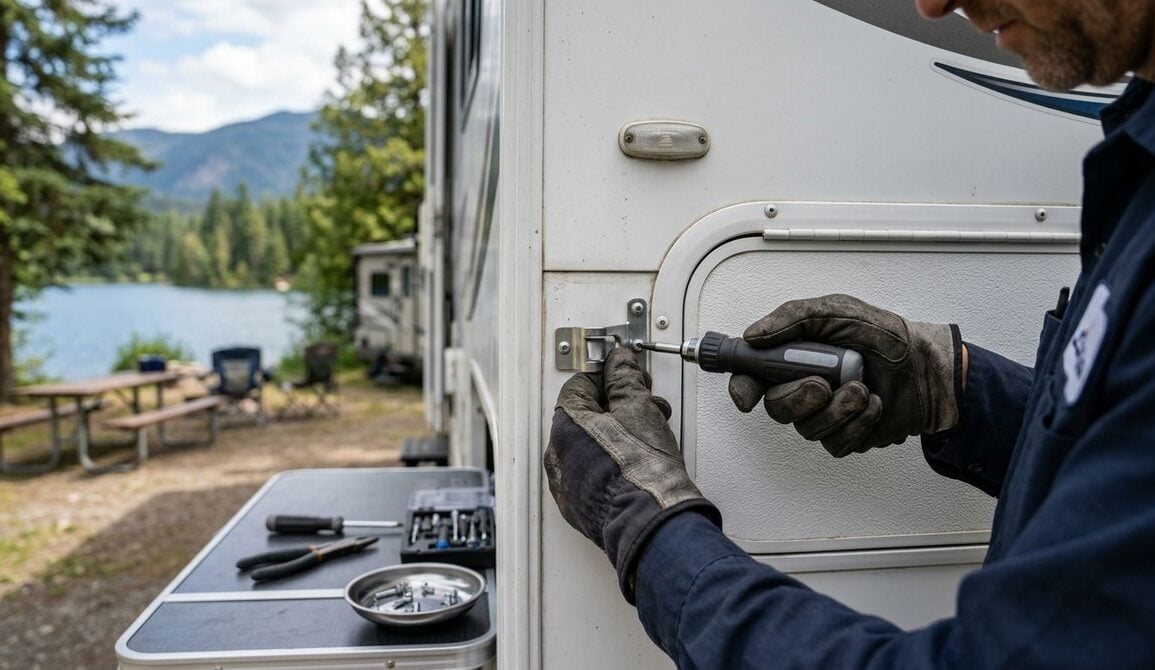
Every time a tenant moves out, a rental space needs a short list of repairs before the next occupant arrives. Business owners who lease commercial space or small residential units often face the same question: should the work happen with their own hands, or should a trade crew handle it? The honest answer depends on the job, the skills on hand, the calendar and the value of time. This article offers a plain sequence for making that call, so the decision rests on evidence rather than habit or hope. Each step can be repeated after every move-out, which makes the process easier to refine over time.
Listing the Work Before Deciding Anything
Begin by walking the unit with a notepad and writing down every item that needs attention. Scuffed walls, sticking doors, a dripping faucet and loose cabinet hinges usually belong on one list. A failing water heater, a gas odor or a cracked foundation belongs on a different list entirely. Sorting the items by risk makes the rest of the process easier to manage. Ask a former tenant to describe any problems they noticed, since they often know about leaks or drafts that are invisible from the doorway. Cosmetic fixes can wait for a quiet weekend, but anything touching fuel, live wiring or structural support deserves a qualified person from the start. Photograph each problem before any work begins, because the pictures become a useful reference when a crew arrives or when a question comes up later about what was already damaged.
Matching Tasks to Your Skills
Honest skill checks prevent expensive mistakes later. Painting, patching small holes and swapping cabinet hardware are common jobs that a careful owner can learn in a single afternoon. Electrical panels, roof flashing and plumbing connections are different, because a small error can stay hidden until it causes real damage. Readers may also want to visit opensolutionsalliance.org. Reading about a task is still not the same as completing it safely with tools in hand. Practice on a spare room or an empty unit before attempting any work on an occupied property.
Pricing the Hours You Will Lose
Doing a job yourself is never free. Every hour spent scraping old paint is an hour not spent finding the next tenant, answering messages or reviewing the budget. Put a rough value on your own time, then compare that figure with a written crew quote that includes travel, materials and cleanup. Ask whether a rushed job might need redoing, because a second visit can erase any savings from the first attempt. You can also visit comment-thai.com for more reading. The comparison usually favors the owner for small, low-risk tasks and favors a professional when the work is large, specialized or time sensitive.
Finding Trades Who Will Answer Plainly
When a crew is the right choice, the search deserves the same care as the repair itself. Ask each trade for a written scope, a clear start date and a description of what happens if the first attempt fails. Good contractors explain the job without pressure and name the parts of the work they will not touch. Ask for references from owners with similar buildings, and call them before signing anything. Keep your notes in one shared place so every bid is compared on the same points. For a related read on this site, see Fleet Repairs in the Garage or at a.

Writing a Scope Sheet for the Crew
A scope sheet turns vague promises into a shared plan. Write down each room, each task, the materials you will supply and the finish you expect. Attach photographs of the existing condition so nobody argues later about what was there before the work started. The sheet also protects the crew, because it marks the boundary between their work and any hidden problem they discover behind a wall. A change order should be written and signed before new work begins, even when the change seems small. Agree on a cleanup standard too, so everyone knows whether debris must leave the site on the same day. Review the sheet together on site, and approve it only after both sides agree on the details that matter most.
Keeping the Unit Ready Between Tenants
Once the repairs are finished, a short inspection routine keeps the space in good order until the next lease begins. Walk the rooms with the same notepad, check smoke alarms, test locks and confirm that keys are labeled and accounted for. Compare the final condition with the photographs taken at the start so the record is complete. Owners who handle turnover this way usually spend less on emergency calls, because small issues are caught while there is still time to plan. A short log of dates, invoices and tenant concerns also builds a useful paper trail for the rest of the ownership period. Scheduling a brief walkthrough before each new lease begins keeps the next tenant comfortable and protects the owner’s investment. Whether the work ends up in your hands or a crew’s, a calm and written process is what turns a rough move-out into a dependable home for the next occupant.