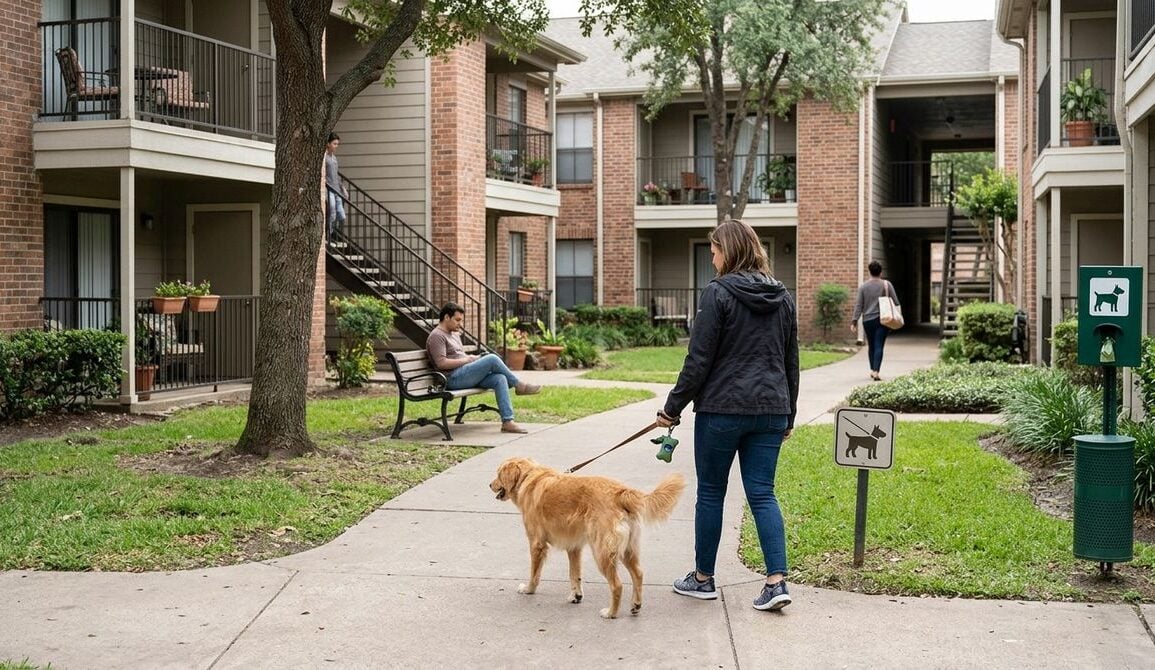
A property inspection tends to reveal everything an owner has done, and everything still waiting to be done. Whether a buyer’s inspector is walking through a house before a sale, a city officer is checking a rental unit, or a lender wants proof of condition before approving a loan, the visit runs far more smoothly when the owner already knows where each record and repair lives. Good preparation rarely requires expensive upgrades. It mostly requires organization, honest notes, and a calm walk through the building a day or two earlier.
This guide explains what to gather, what to inspect yourself, and what to show when the visitor arrives. Think of the work as building one clear story about the property, where the paperwork, the physical condition, and the maintenance history all point in the same direction.
Gathering the Ownership and Lease Records
Start with the paperwork that proves who owns the building and which rules apply to it. Keep a copy of the deed, recent property tax bills, insurance declarations, and any agreements with service providers in one folder that is easy to carry. If the property has tenants, add the current lease, the move in condition report, and a contact sheet for emergency calls.
Organize these papers with the newest documents on top, so you can answer a question without searching through drawers. A short index page at the front saves time and shows the visitor that the owner is in control of the file. Readers may also want to visit Startup Cradles.
Walking the Property Before the Visit
Walk through every room, hallway, and outdoor area as if you were seeing the place for the first time. Look for water stains on ceilings, cracked tiles, sticking doors, and windows that do not latch properly. Make a list as you go and take photographs so you can compare conditions later on. Small items that seem unimportant to an owner can look like neglect to a visitor who has never been inside the building before.
Turn on every light, run every tap, and flush every toilet. Test the smoke alarms and carbon monoxide alarms wherever they are installed, and replace any battery that seems weak. Check that the fire extinguisher is charged and that exits are clear of boxes, bicycles, and stored furniture. You can also visit tampabaybusinesslist.com for more reading.
Maintenance Logs That Show Ongoing Care
A maintenance log is one of the most persuasive items an owner can show. Record the day of each service visit, the company or person who did the work, and a short note about what was fixed or replaced. A neat and well organized log makes a far better impression than a stack of loose invoices pulled out of a bag.
Focus the log on the systems that matter most for safety and daily function. These include the heating and cooling equipment, the water heater, the electrical panel, the roof, and the drainage around the foundation. Note when each one was last inspected and when the next service is due, so the schedule is visible at a glance. For a related read on this site, see Publisher Review Readiness for a Game Studio.
Answering Questions From an Inspector or Buyer
Expect questions about the age of major systems, past repairs, and any water or pest problems the property has had. Answer honestly and keep each response short and to the point. If you do not know something, say so and point to the record where the answer is most likely to appear. Visitors usually respond better to a plain admission and a clear plan than to a confident answer that later turns out to be wrong.
Prepare a one page summary that lists the main systems, when each was installed or replaced, and any repairs that remain open. Give a copy to the visitor at the start of the visit so that everyone is working from the same facts. This simple sheet keeps the conversation focused and reduces mistakes in the visitor’s notes.
Keeping Access and Safety Details in Order
Make sure the visitor can reach every area that needs checking. Arrange keys, gate codes, and access cards in advance, and tell any tenant or neighbor when the visit will take place. Clear a path to the electrical panel, the water shutoff, the attic hatch, and the crawl space entrance before the visitor arrives. A locked room that cannot be opened often leads to a report note saying the area was not examined at all.
Store contact details for the emergency plumber, electrician, and roofer in a place everyone can find quickly. Confirm that the insurance policy and the property address on it match the current records exactly. Close the visit by thanking the visitor and asking when the written report will arrive, so that any repair list can be scheduled without delay.
A prepared property tends to receive a fair review because the owner has made the information easy to find. Organized records, clear maintenance notes, and a tidy building send the same message that the place is looked after with care. Begin with the folder, walk the rooms, and keep the log current, and the next visit will feel like a conversation rather than a test.