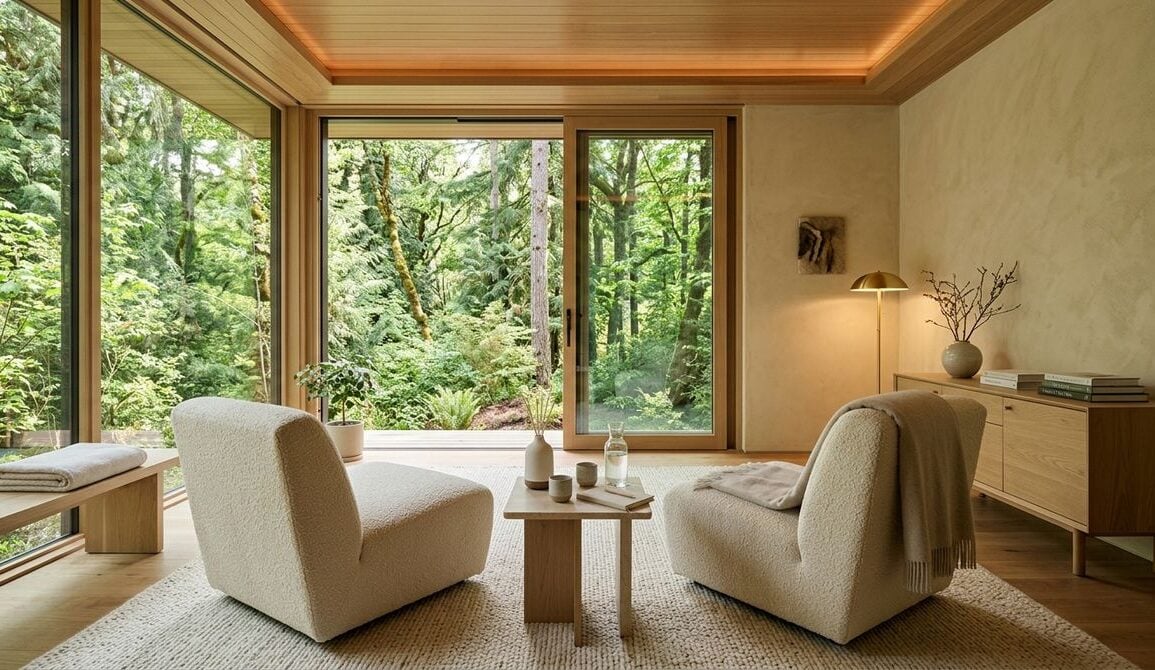
Welcoming an older relative into your home brings meaningful changes to daily routines. While having multiple generations under one roof offers wonderful opportunities to share meals and support one another, traditional homes often present subtle obstacles to mobility. Steep stairs, narrow hallways, slippery tiles, and cramped washrooms can turn simple daily habits into tiring hurdles.
Converting an underused den or downstairs guest room into a dedicated suite is often the most practical solution. A well-planned ground floor space allows older family members to maintain their independence while staying connected to household life. Making thoughtful adjustments to walkways, plumbing fixtures, and lighting creates a private retreat that feels dignified, restful, and easy to maintain.
Clearing Pathways and Improving Interior Sightlines
When arranging a ground floor suite, open circulation paths are essential. Standard rooms often gather accent tables, thick floor coverings, and trailing cords that crowd walking routes. Begin by clearing broad, direct passages from the bed to the bathroom door and the main entrance. Smooth out floor transitions that require stepping over raised dividers, as uneven seams between wood and tile can easily cause someone to trip.
Lighting plays an equally vital role in keeping sightlines clear. Vision changes naturally over time, making it harder to discern changes in floor elevation or room depth. Install warm, diffuse overhead fixtures paired with glare-free task lamps on nightstands. Rocker switches placed at waist height are much easier to operate with an elbow or forearm than small toggle switches. Adding soft baseboard nightlights provides guidance without disturbing sleep.
Floor choices also deserve close attention. Low-pile carpet offers warmth and cushioning without catching on slippers or walking aids. If the room features wood or laminate flooring, secure all rugs with non-skid backing or remove accent rugs completely to prevent sudden slipping.
Adapting Plumbing Fixtures for Ease and Independence
The bathroom is the most critical area to address when preparing an accessible suite. Standard tubs with high sides require significant effort to step over, making a curbless walk-in shower a much safer alternative. Adding a sturdy built-in shower bench and a handheld shower wand on an adjustable bar allows individuals to bathe comfortably while seated.
Water delivery systems also benefit from simple upgrades. Pressure-balanced mixing valves stabilize water temperature when other appliances run, protecting sensitive skin from sudden temperature changes. Faucets should feature single lever handles rather than round knobs, enabling anyone with limited hand strength to adjust flow and warmth effortlessly.
Proper placement of water fixtures works best alongside moisture-resistant finishes that simplify daily cleaning. When selecting durable plumbing fixtures and moisture-resistant finishes, gathering advice from practical renovation resources like Build Green Atlantic can help you choose materials that withstand frequent sanitation without losing their visual appeal. Modern fixtures paired with smooth wall panels cut cleaning time while keeping the washroom spotless.
Balancing Everyday Dignity with Warm Interior Decor
A common pitfall when modifying rooms for older adults is creating a cold, institutional atmosphere. Safety adjustments do not need to resemble a hospital ward. Today, supportive grab bars come in brushed brass, matte black, and warm bronze, serving as attractive towel racks while providing dependable bracing near toilets and shower stalls.
Visual contrast helps with depth perception while enhancing the overall decor. Painting door trims and baseboards in a slightly deeper tone than the walls helps individuals navigate room boundaries with ease. Choose seating with firm cushions and sturdy armrests that extend forward, giving helpful support when sitting down or rising.
Creating an environment that feels welcoming rather than clinical requires balancing supportive hardware with cozy furnishings. Exploring design guides on casaindecor.com can give you helpful inspiration for maintaining a warm living space that supports a family member’s independence while preserving personal style. Adding favorite framed pictures, soft textiles, and personal heirlooms makes the room feel comforting, helping your loved one settle in happily.
Establishing a Steady Preventive Upkeep Routine
Preparing the suite is only the first step; keeping the space safe requires regular care. Plumbing fittings, shower drains, lighting hardware, and door latches experience continuous wear. Setting aside time each month for a quick check helps you identify loose screws, slow drains, and worn water seals before minor issues disrupt daily comfort.
Preventive home care follows the same principle as managing essential equipment. Just as businesses rely on routine care for company vehicles to avoid unexpected trouble on the road, homeowners benefit from a recurring checklist to spot leaks and worn seals before they cause property damage. Addressing a loose handle or a dripping pipe fitting immediately prevents damage and maintains household safety.

Air quality and ventilation also belong on your upkeep schedule. Running a quiet exhaust fan during and after showers stops moisture from settling on walls and baseboards. Wiping down fan grilles every couple of months clears away lint and dust, allowing the motor to clear damp air quickly.
Practical Checkpoints for a Smooth Transition
Taking an organized approach ensures no functional detail is overlooked before your relative moves into the space. Running through a brief checklist allows you to test the room thoroughly:
- Check that walking lanes between the bed, closet, and bathroom are clear of clutter.
- Mount bathroom grab bars directly into wall studs rather than drywall anchors.
- Adjust water heaters and mixing valves to maintain safe, steady water warmth.
- Set bedside lamps within easy reach of the mattress to prevent fumbling in the dark.
- Swap out round door knobs for ergonomic lever handles throughout the suite.
Reviewing these features alongside your family member builds shared confidence. Giving them an opportunity to test switches, faucets, and furniture arrangements ensures you can make minor adjustments immediately to match their daily routine.
Creating Lasting Comfort and Shared Harmony
Adapting a family home for older relatives is a meaningful investment in comfort and togetherness. Focusing on open pathways, reliable plumbing, regular upkeep, and inviting decor creates a space where an aging family member feels both independent and cherished.
With regular maintenance and thoughtful communication, your home can provide a welcoming environment where every family member enjoys security, comfort, and peace of mind.