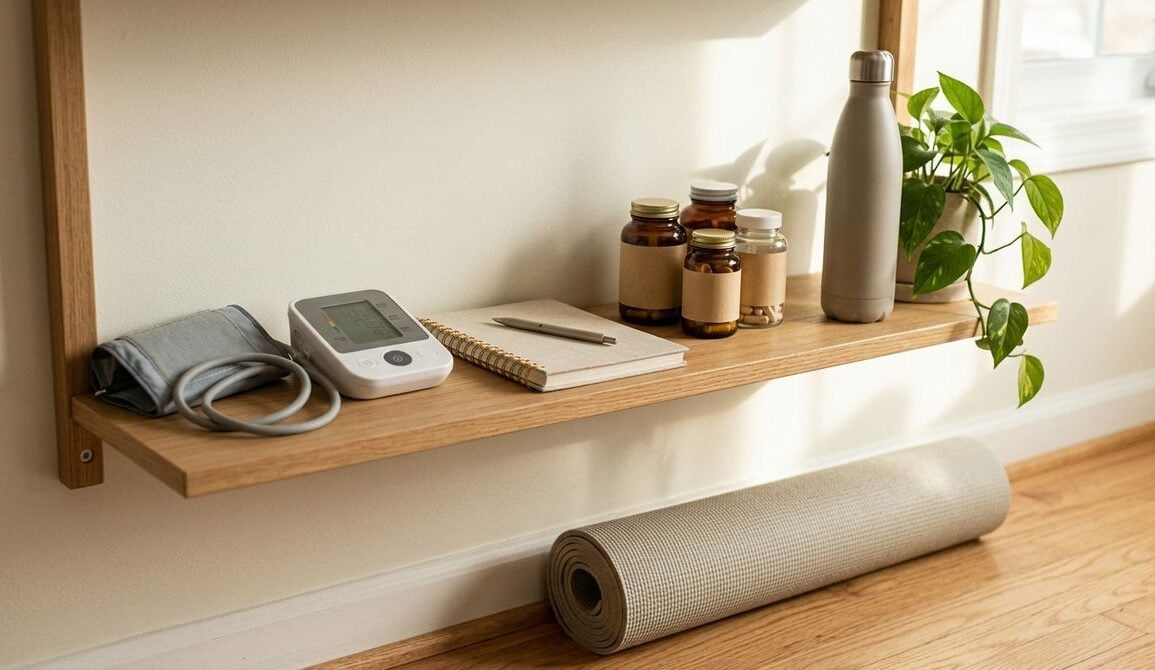
Managing personal health involves far more than simply visiting a clinic when something feels wrong. In everyday life, keeping track of routine appointments, ongoing prescriptions, preventive screenings, and wellness habits can quickly turn into a confusing puzzle. Paper receipts, digital patient portal accounts, lab results, and handwritten doctor notes often end up scattered across drawers and multiple email accounts. Establishing a dependable, organized home system transforms that scattered information into an orderly routine. When your medical records and everyday wellness tools are neatly cataloged, you reduce unnecessary stress and feel far more prepared to participate actively in your own care.
Gathering and Centralizing Health Documentation
Most adults interact with several healthcare providers over time, from primary care practitioners and dentists to specialized clinics and diagnostic imaging centers. Because these facilities frequently use separate digital platforms, medical histories easily become fragmented. A sensible first step toward better organization is creating a dedicated central hub for all personal health documentation.
Whether you favor a physical binder with divided tabs or a password-protected folder on a personal computer, consistency is the foundation of success. Organize your materials into logical categories such as immunization records, recent laboratory reports, ongoing medication lists, and summaries of past procedures. Whenever you finish a consultation, request a copy of the visit notes and place it directly into your designated archive. Maintaining an accessible summary sheet with your known allergies, emergency contacts, and insurance identification numbers can also save valuable time when filling out intake paperwork at new offices.
Household systems often share similar organizational principles across different areas of daily life. As explored in our guide on logging care routines in busy households, visual logs and shared schedules keep complex responsibilities from slipping through the cracks. Applying that same structured mindset to your family medical paperwork ensures that everyone knows where vital documents live and when routine follow-up tasks need attention.
Adopting Sustainable Daily Health and Habit Trackers
While formal medical records document clinical milestones, daily habits shape how you feel from morning to night. Keeping a brief daily wellness journal can help you notice patterns in sleep, hydration, energy levels, and physical comfort. The key to maintaining a personal log is simplicity. If a tracking method requires too much time or effort, it is usually abandoned within a couple of weeks.
Instead of attempting to log every detail of your day, focus on two or three manageable elements that directly influence your well-being. For example, jotting down your waking energy on a basic scale, noting any unusual physical aches, and tracking whether you took your morning walk provides valuable context over time. When you review these observations before a seasonal checkup, you can provide your doctor with clear, objective observations rather than relying solely on memory.
Broadening your understanding of everyday wellness strategies makes tracking habits even more rewarding. Exploring trusted educational sites like wellnessadvice.info can offer helpful perspectives on gentle exercise routines, stress reduction practices, and balanced daily habits that support overall physical vitality. Integrating a few foundational wellness habits into your daily rhythm gives your health tracker meaningful data to reflect back to you.
Preparing Effectively for Professional Medical Visits
A regular appointment with a healthcare professional passes quickly. Clinicians must review charts, conduct examinations, and address multiple concerns within a tight schedule. Without proper preparation, patients often leave an office visit realizing they forgot to ask their most pressing questions. Organizing your thoughts ahead of time ensures that your doctor visits are collaborative and thorough.
Begin preparing a few days before your scheduled appointment by drafting a concise agenda. Write down your primary symptoms, when they began, and what seems to relieve or worsen them. Bring your physical medication bottles or an up-to-date medication list that includes exact dosages and timing, including vitamins or over-the-counter supplements. When you arrive with structured information, your physician can assess your situation with greater precision.
Gaining familiarity with modern medical delivery and clinical procedures also eases the anxiety that sometimes accompanies clinical visits. Informational resources such as Healthytipshotline.com provide useful insight into patient care standards and contemporary medical technologies, helping individuals feel informed and confident when discussing diagnostic options with their care team. Arriving at the clinic with informed questions and a clear history transforms a routine visit into a constructive conversation.
During the appointment, take notes in a small notepad or on your phone so you do not have to memorize complex recommendations. Clarify any instructions you do not fully understand before leaving the examination room. Ask about expected timelines for symptom improvement, potential side effects of newly prescribed therapies, and the proper procedure for reviewing upcoming lab results.
Creating an Actionable Home First-Aid and Wellness Station
Every household benefits from having a clean, well-stocked area dedicated to basic health maintenance and immediate first aid. Far too often, bandages, topical ointments, and emergency remedies are scattered across various bathrooms, kitchen cabinets, and hall closets. When a minor scrape, seasonal cold, or headache arises, searching through multiple rooms adds unnecessary frustration.

Choose a central, easily accessible location that is cool, dry, and safely out of reach of young children or curious household pets. Keep basic supplies arranged neatly in clear, lidded storage containers so that contents are immediately identifiable at a glance. Regularly reviewing and restocking this area prevents discovering an empty container of sterile gauze or an expired thermometer in the middle of the night.
- Keep emergency telephone numbers and poison control contact details clearly visible inside the cabinet door.
- Store prescription medications in their original labeled containers away from humid bathroom environments.
- Check expiration dates on topical creams, antiseptic wipes, and pain relievers at least twice each year.
- Include a printed reference card listing ongoing household medications and known drug allergies.
Having a dedicated wellness station also simplifies the management of regular medication routines. Pairing your pill organizers with clear reminders, such as taking a daily capsule immediately after your morning cup of tea, anchors the health habit to an established routine and minimizes missed doses.
Building Long-Term Consistency Through Simple Check-Ins
An organized health routine is not a project that you finish once and ignore. Medical records change, prescription requirements evolve, and personal wellness goals shift with each passing season. The most reliable way to maintain order is to schedule a brief monthly review on your household calendar.
Use this monthly check-in to file any loose doctor summaries, request prescription refills before medication supplies run low, and schedule upcoming preventive screenings like dental cleanings or annual physicals. If you use patient portal apps on your smartphone, review your test results and secure messages to confirm that all provider instructions have been addressed.
Taking small, regular steps to curate your personal health records creates a sustainable foundation for everyday living. When medical papers are organized, daily habits are noted, and home supplies are neatly arranged, managing your well-being shifts from a stressful chore into a calm, proactive lifestyle practice that serves you through every stage of life.