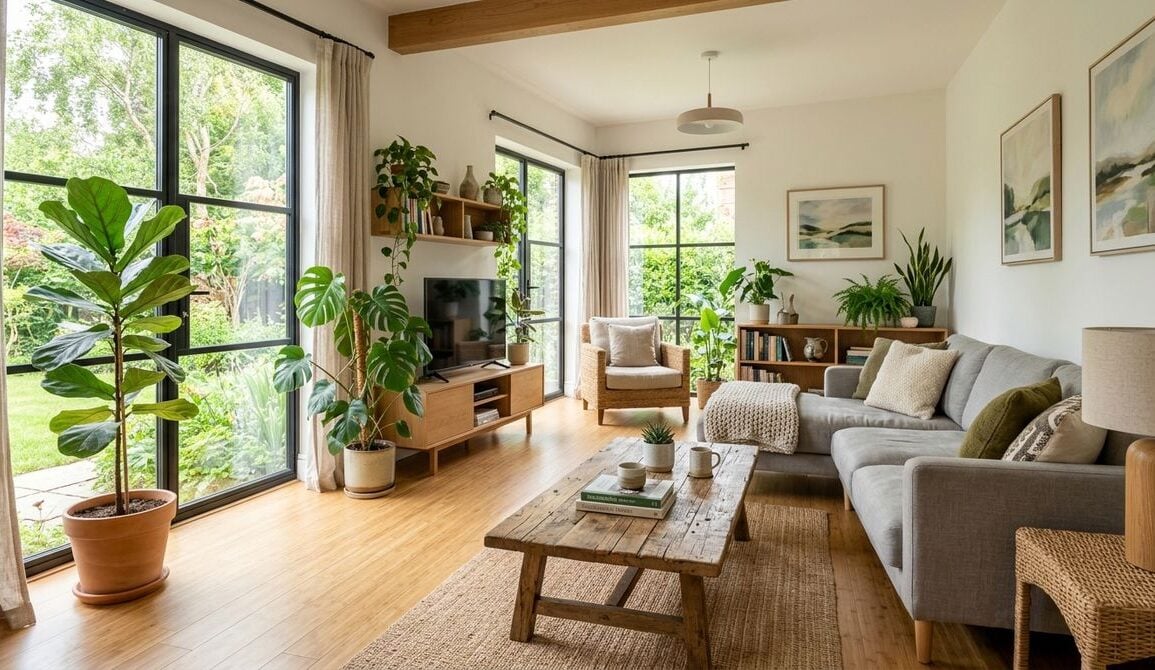
Modern daily life often moves at an unrelenting pace, leaving little room for quiet reflection or physical relief. Between demanding work commitments and everyday chores, personal well-being frequently takes a back seat. Many people assume that staying healthy requires an expensive gym membership or extensive home renovations. In reality, supporting your physical comfort and peace of mind can begin with something far more modest.
A dedicated wellness corner provides a designated haven where you can decompress, stretch tight muscles, and recharge without leaving your living room. Dedicating even a small pocket of space signals to your mind and body that daily restoration is a genuine priority rather than an afterthought. By making this space comfortable, inviting, and uncluttered, you create a natural invitation to pause and care for yourself throughout the week.
Choosing the Right Spot in Your Living Space
Finding an appropriate location in your home does not require an entire empty room. Look for an unused alcove, a quiet corner of your bedroom, or an open area near a window that receives gentle natural light. Good airflow and pleasant lighting can instantly shift your mental state, making the space feel fresh and revitalizing. If natural daylight is limited, adding a soft, warm lamp can create an inviting ambiance that encourages relaxation.
Spatial separation also matters. Positioning your wellness nook beside a busy computer desk or television makes it harder to disconnect from daily stress. Whenever possible, orient your mat away from screens and work papers. A simple visual divider, such as a tall houseplant or a decorative screen, establishes a clear boundary that separates busy work from restorative leisure.
Flooring and acoustics also play a meaningful role in how often you use the space. A level, stable surface ensures you can balance securely during stretches, while a quiet corner minimizes distracting household sounds. If your home has hard floors, placing a supportive mat or woven runner can protect your joints and provide warmth, giving you a dependable surface for daily movement.
Selecting Practical Tools for Gentle Movement
A functional movement area does not require bulky weights or complicated gadgets. The most effective items are simple tools that support natural mobility. A cushioned exercise mat offers a safe foundation for floor stretches, while light resistance bands provide versatile options for gentle strengthening. Adding a foam roller or supportive yoga blocks can assist with flexibility exercises and relieve tight muscles after long hours of sitting.
Storage should be thoughtful so the area remains tidy and visually calm. A simple woven basket or wooden crate can hold your bands, blocks, and straps out of sight when not in use. When equipment is neatly contained, your wellness corner remains an appealing sanctuary rather than a source of household clutter. Keeping only the essentials within arm’s reach ensures that setting up for a brief mobility session feels effortless.
Tailoring your routine to your individual capabilities is crucial for building a sustainable habit. Exploring educational guidance and structured exercise ideas through platforms like Fitness-Studion1 can help you discover accessible movements that align with your current fitness level. Focusing on steady progress and mindful form allows you to enjoy physical activity without fear of overexertion or lingering soreness.
Prioritizing Preventive Habits Over Quick Fixes
Too often, people only address physical health when stiffness or exhaustion forces them to pause. A home wellness corner encourages proactive care, helping you relieve tension before it turns into chronic discomfort. Taking several moments each day to gently stretch your spine and relax your shoulders can undo the strain caused by prolonged sitting and repetitive daily tasks.
Cultivating personal health awareness also involves staying informed about how lifestyle choices influence day-to-day comfort. Consulting helpful educational resources such as 4thecure.com can reinforce the value of early prevention, balanced nutrition, and listening to subtle signals from your body before minor fatigue turns into a deeper issue. When you understand the underlying reasons behind basic self-care habits, maintaining them becomes a rewarding choice rather than a chore.
Simple mindfulness practices fit effortlessly into this preventive approach. Sitting quietly on a comfortable cushion while focusing on slow, deep breaths helps calm the nervous system and lower everyday stress. You can also incorporate gentle neck rolls and wrist stretches during brief pauses between work tasks. These short check-ins reset your posture and mental clarity, allowing you to return to your responsibilities with renewed focus.
Balancing Household Responsibilities with Personal Time
Even with an ideal setup, finding consistent moments for personal well-being can feel challenging when household chores demand constant attention. Endless cleaning and meal preparation often consume the hours meant for rest. When schedules become overwhelmed by domestic duties, carving out time for physical recovery can trigger unnecessary guilt or frustration.
Creating sustainable balance often requires reevaluating how daily chores are distributed among household members or seeking reliable assistance. Exploring practical solutions such as booking home help for your family can free up valuable time and emotional energy, allowing everyone in the household to pursue restorative routines without letting home maintenance fall behind. When domestic support handles routine maintenance, setting aside time for movement and rest feels natural and unburdened.

Communication within the household also protects your dedicated space. Let your family members or housemates know that when you are in your wellness corner, you are taking a brief break to reset. Encouraging others to use the space for their own quiet moments fosters a shared culture of health and mutual respect under one roof.
Simple Principles for a Sustainable Routine
A wellness space only delivers real benefits if you integrate it into your regular lifestyle. Instead of setting overly ambitious goals that lead to quick frustration, focus on creating enjoyable, low-friction habits. Small actions repeated consistently produce far more enduring benefits than sporadic bursts of intense activity. Over time, visiting your quiet corner becomes an intuitive reflex whenever your body feels tense or your mind feels cluttered.
To help integrate this practice into your daily schedule, keep these straightforward guidelines in mind:
- Store your mat and accessories neatly in a basket to keep the area instantly accessible.
- Anchor your stretching sessions to an existing routine, such as right after morning tea.
- Listen carefully to your body and avoid pushing into painful or forced positions.
- Keep the space free from digital devices to preserve an atmosphere of calm.
Designing a personal wellness nook is an investment in your everyday quality of life. It serves as a physical reminder that your comfort, mobility, and peace of mind matter just as much as your daily tasks. By crafting a dedicated space tailored to gentle movement, you create a supportive retreat that welcomes you whenever life becomes hectic.
Transforming your daily habits does not require dramatic life changes or complicated equipment. By selecting a peaceful spot, keeping practical movement tools close at hand, and honoring your need for regular rest, you build a foundation of vitality that enriches every aspect of your life. Step into your quiet corner, take a deep breath, and allow your home to become a true sanctuary for health and relaxation.