
The most expensive patent myth is that a patent is a license to make money. It is not. A patent grants the right to stop others from making, using, or selling your invention. It does not guarantee a product, a sale, or a single dollar of income. Clearing up that confusion saves inventors from costly assumptions. We asked Trevor Lambert, co-owner of Enhance Innovations, a Champlin, Minnesota product development firm founded in 2010, to break down the myths he hears most.
Myth one: a patent makes you money
“A patent is a right to exclude, not a right to profit,” Lambert says. “The USPTO is clear that a patent gives you the ability to keep others out, not an automatic right to make or sell the thing yourself.” The agency states this directly in its patent basics material. “Money comes from a product selling or a license closing. The patent is a tool that protects those outcomes. It does not create them.”
Lambert sees inventors spend heavily on filings while skipping the work that actually moves a product. “Protection without a plan to commercialize is an expense, not an asset working for you.”
Myth two: you need a finished product to file
“People believe they must build a working unit before they can file,” Lambert says. “For most applications, the USPTO does not require a model. You need a complete written description and drawings.” That removes a major barrier for inventors who assumed they needed a full fabrication setup of their own first.
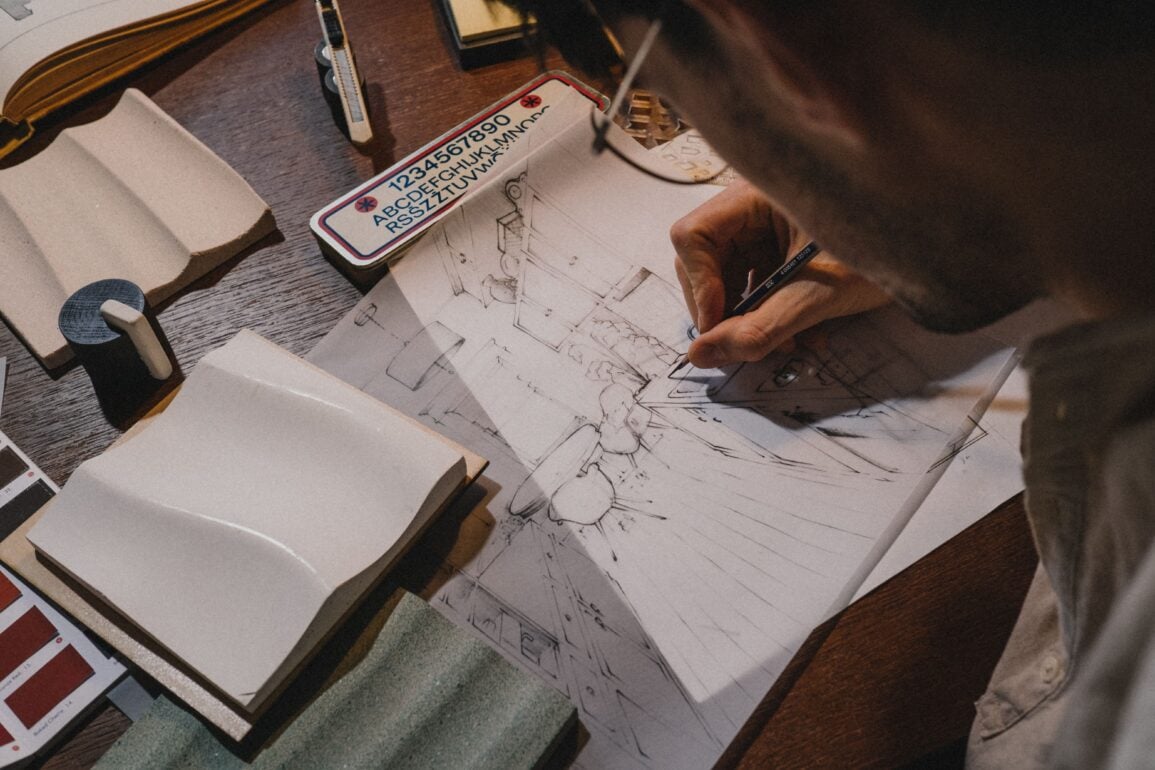
He connects this to the virtual first approach Enhance uses. “We describe and draw the invention with renderings and CAD. That documentation supports the filing and the pitch at the same time. One body of work, two jobs.”
Myth three: a provisional is a real patent
“A provisional application is not a patent,” Lambert says. “It is a placeholder that sets a filing date and gives you 12 months to follow with a full application. The USPTO explains this in its provisional application pages. If you let the 12 months lapse without filing the non provisional, the placeholder is gone.”
The myth bites inventors who file a provisional, relax, and miss the deadline. “Treat the provisional as a clock that started, not a finish line you crossed.” He adds that the year is meant for work, not waiting. “Use those 12 months to refine the design, test the market, and decide whether the full filing is worth it. The provisional buys you time to be smart, not permission to stall.”
Myth four: a patent protects you worldwide
“A US patent is a US right,” Lambert says. “It does nothing in other countries on its own. International protection means separate filings, and that is rarely the first move for an independent inventor. Spend where your market actually is before you spend abroad.” He sees inventors burn budgets chasing foreign protection for products that have not sold a single unit at home. “Prove the idea in your own market first. Foreign filings are a later decision, made with evidence, not a reflex made out of fear.”
Myth five: filing is the hard part
Lambert saves his strongest point for last. “Inventors treat filing as the mountain. The filing is a step. The harder work is designing a product a company wants, making it manufacturable, and presenting it well. A patent on a product nobody can build or wants to sell is a certificate, not a business.”
He points inventors to neutral sources before they spend. University technology transfer offices license inventions for a living and publish honest primers on how protection connects to commercialization. The Association of University Technology Managers hosts member offices whose public pages, like Stanford’s licensing office, show the full path from disclosure to deal.
Lambert’s summary is unsentimental. “A patent is one piece. A useful one. But it is not magic, it is not money, and it is not the whole job. We have spent 16 years watching inventors who understand that move faster than the ones who think a granted patent is the destination. The patent protects the work. The work is the product and the pitch.”
This article is educational and not legal or financial advice. Inventors should research their own circumstances and consult qualified professionals.